Senior Dog Dental Health and Diet: Complete Guide for Aging Dogs
DogMealGuide Editorial Team
DogMealGuide Editorial Team provides research-backed, practical advice to help dog owners make better nutrition decisions for their pets.
Senior Dog Dental Health and Diet: What Every Owner Needs to Know
As dogs age, two things quietly decline before owners notice: their teeth and their ability to process the same food they've eaten for years. By the time most dog owners realize there's a problem, a senior dog may already be living with chronic pain, nutrient deficiencies, or both.
The good news is that both are manageable — if you know what to look for and when to act.
This guide covers everything you need to know about caring for your senior dog's dental health and adjusting their diet to match where they are in life.
Key Takeaways
- 80% of dogs show signs of dental disease by age 3; by age 7, it's nearly universal
- Senior dogs need gentler brushing, softer chews, and more frequent vet dental exams
- Diet changes often need to happen before weight loss or lethargy become obvious
- Protein remains essential in senior dogs — most need more, not less
- Dental disease directly affects how well senior dogs absorb nutrients from food
When Is a Dog Considered Senior?
The answer depends on size, not just age.
Small breeds (under 20 lbs) typically enter their senior years around 10–12 years. Medium breeds hit senior status at 8–10 years. Large and giant breeds age faster and are considered seniors as early as 6–7 years.
Why Aging Affects Teeth and Diet Together
The connection between dental health and nutrition in senior dogs is closer than most people realize. A dog with painful teeth eats less, chews differently, and may avoid hard kibble entirely — often without any outward sign of distress. Dogs instinctively hide pain.
This leads to:
- Reduced food intake and gradual weight loss
- Nutrient deficiencies from inadequate chewing and absorption
- Preference for soft foods that provide less mechanical cleaning of teeth
- A cycle where dental problems accelerate nutritional decline
Understanding this connection is the first step to breaking it.
The State of Senior Dog Dental Health
Periodontal disease is the most common health condition in dogs of any age — and it gets significantly worse with time.
What's Actually Happening in an Aging Dog's Mouth
By the time a dog is 7 years old, years of plaque accumulation have typically hardened into tartar. Tartar below the gumline creates pockets where bacteria thrive, causing:
- Gingivitis — inflammation and bleeding of the gums
- Periodontal disease — damage to the ligaments and bone supporting teeth
- Tooth root abscesses — painful infections at the base of teeth
- Tooth loss — the end stage of untreated periodontal disease
What makes this especially difficult in senior dogs is that the immune system is also less effective at fighting oral bacteria. What might stay as mild gingivitis in a young dog can progress much faster in a senior.
The Systemic Impact of Dental Disease in Older Dogs
Bacteria from the mouth don't stay in the mouth. In senior dogs, chronic oral infection is directly linked to:
- Heart disease — oral bacteria can reach heart valves
- Kidney damage — the kidneys work harder to filter infection-related toxins
- Liver strain — sustained bacterial load taxes liver function
- Cognitive decline — chronic systemic inflammation accelerates brain aging
This is why dental care in senior dogs is genuinely a quality-of-life and longevity issue, not just cosmetic.
Signs of Dental Problems in Senior Dogs
Senior dogs rarely cry or whimper from tooth pain. Watch for these subtler signs:
- Dropping food while eating or chewing on one side of the mouth
- Bad breath that is suddenly worse or has a different smell than usual
- Pawing at the face or rubbing the muzzle along surfaces
- Swelling under one eye (often a tooth root abscess in upper molars)
- Reluctance to chew hard kibble, treats, or toys they previously enjoyed
- Yellow-brown deposits visible along the gumline, especially back teeth
- Bleeding gums when you lift the lip
- Loose teeth that wiggle when touched
Any of these warrants a vet visit. Do not wait for the next annual exam.
Senior Dog Dental Care: A Practical Routine
The goal with senior dogs is gentle consistency. You are maintaining, not transforming.
Adjusting Your Brushing Technique for a Senior Dog
If your dog has been getting regular brushing their whole life, continue — but with accommodations:
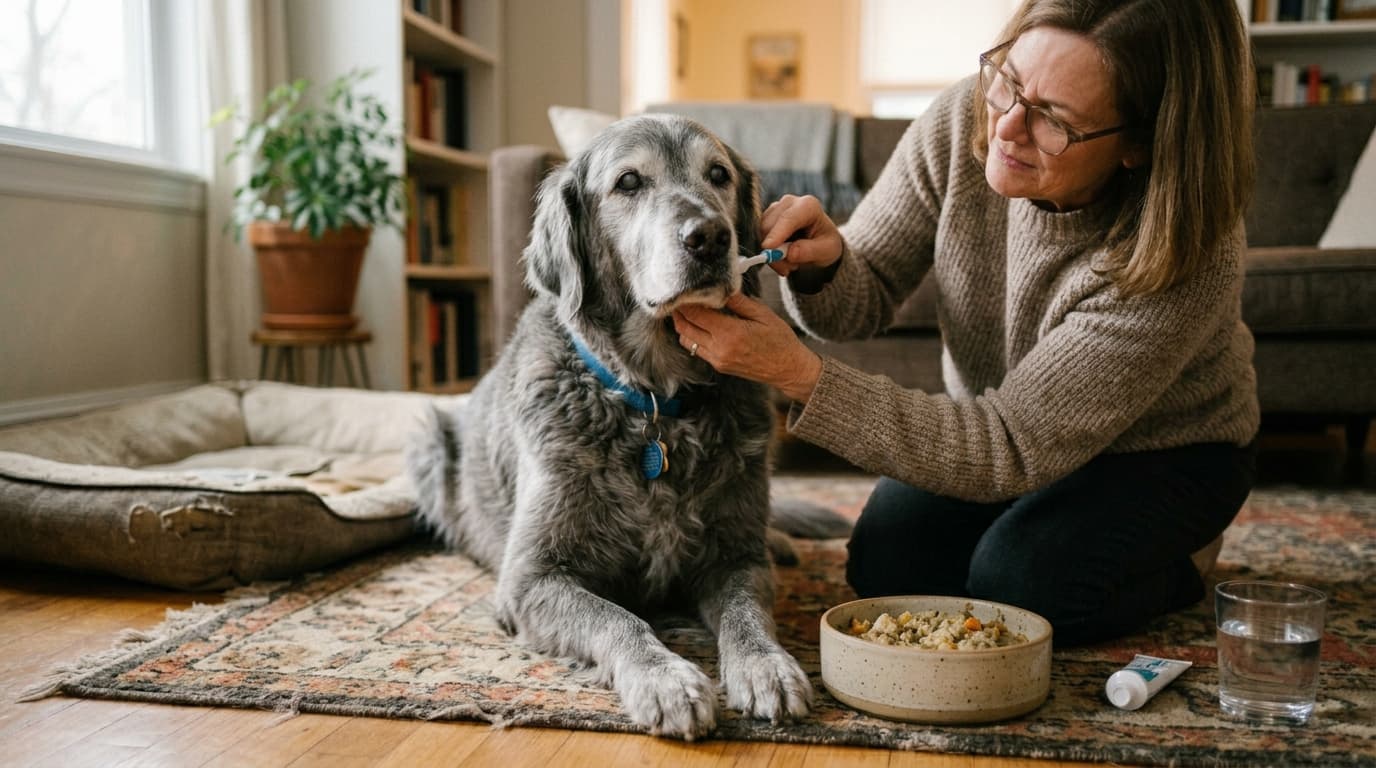
- Use a softer brush. Senior dogs often have gum recession and sensitive tissue. Switch to an ultra-soft bristle or a silicone finger brush.
- Shorten sessions. Senior dogs tire more quickly and may have joint discomfort from being held in position. Two minutes is enough.
- Watch for bleeding. Some gum bleeding during brushing is normal with mild gingivitis, but consistent heavy bleeding means dental disease needs professional treatment.
- Be gentle around loose teeth. If you feel a tooth move, stop brushing that area and call your vet.
If your senior dog was never brushed before, start with gum massages using your finger before introducing any brush. It is never too late to start, even at age 10.
Safe Dental Chews for Senior Dogs
Not all dental chews are appropriate for aging teeth. Senior dogs are more prone to slab fractures — where a tooth breaks under load. This is painful and expensive to treat.
What to look for:
- Chews rated as "soft" or "senior formula"
- VOHC (Veterinary Oral Health Council) approved options
- Chews that bend and compress easily under pressure
Chews to avoid for senior dogs:
- Antlers, hard nylon chews, or any product that doesn't flex
- Rawhide (choking and blockage risk increases as swallowing reflex slows with age)
- Cooked bones of any kind
Good senior-appropriate options:
- Greenies Senior formula — specifically designed for older dogs
- Whimzees — softer texture, digestible
- OraVet Hygiene Chews — enzyme-based, minimal chewing force required
Water Additives and Dental Sprays
For senior dogs that resist brushing entirely, water additives are a practical bridge. Look for products containing chlorhexidine or cetylpyridinium chloride — both have evidence for reducing oral bacteria.
Dental sprays applied directly to the gumline work similarly and are less stressful for dogs who dislike their mouth being handled.
Professional Dental Cleanings for Senior Dogs
Professional scaling under anesthesia is the only way to remove tartar that has already hardened below the gumline. For senior dogs, this is still the gold standard — but anesthesia requires more preparation.
What your vet will likely require for a senior dental cleaning:
- Pre-anesthetic blood panel (liver, kidney, CBC)
- Urinalysis
- Chest X-ray for dogs with suspected heart issues
- IV fluids during the procedure
The risk of anesthesia in senior dogs is real but manageable. The risk of untreated dental disease — systemic infection, pain, and organ damage — is often greater. Discuss the risk-benefit balance with your vet based on your individual dog's health status.
How often do senior dogs need professional cleanings?
Most senior dogs benefit from a professional cleaning every 12–18 months, though dogs with severe disease may need it more frequently.
Senior Dog Diet: What Needs to Change and When
Diet is where most owners wait too long to make adjustments. By the time obvious symptoms appear — significant weight loss, dull coat, muscle wasting — nutritional decline has been ongoing for months.
The Protein Question: Senior Dogs Need More, Not Less
The most persistent myth in senior dog nutrition is that older dogs need reduced protein to protect aging kidneys. In healthy senior dogs without diagnosed kidney disease, this is not supported by current evidence.
In fact, senior dogs experience sarcopenia — progressive muscle loss — as a normal part of aging. Muscle requires protein to maintain. A healthy senior dog eating a low-protein food often loses muscle mass faster, which reduces mobility and quality of life.
What to look for on the label:
- Minimum 25–30% crude protein on a dry matter basis
- Named protein source as the first ingredient (chicken, turkey, salmon, beef)
- High digestibility — senior dogs absorb protein less efficiently
The exception: dogs with diagnosed kidney disease (confirmed by bloodwork showing elevated BUN and creatinine) may need protein restriction. Always confirm with your vet before reducing protein.
Fat and Caloric Needs in Senior Dogs
Senior dogs generally need fewer calories than when they were active adults — typically 20–30% less. This is because:
- Metabolic rate slows with age
- Activity levels decline
- Lean muscle mass decreases (muscle burns more calories than fat)
However, fat remains an essential macronutrient. It supports brain function, absorbs fat-soluble vitamins (A, D, E, K), and maintains skin and coat health. Do not drop fat to zero — aim for a moderate, high-quality fat source.
Signs your senior dog is getting too many calories:
- Ribs difficult to feel without pressing
- Waist not visible from above
- Low energy (though some slowing is normal)
Signs your senior dog is not getting enough calories:
- Ribs visible without touching
- Hip bones and spine prominent
- Muscle loss over hindquarters and back
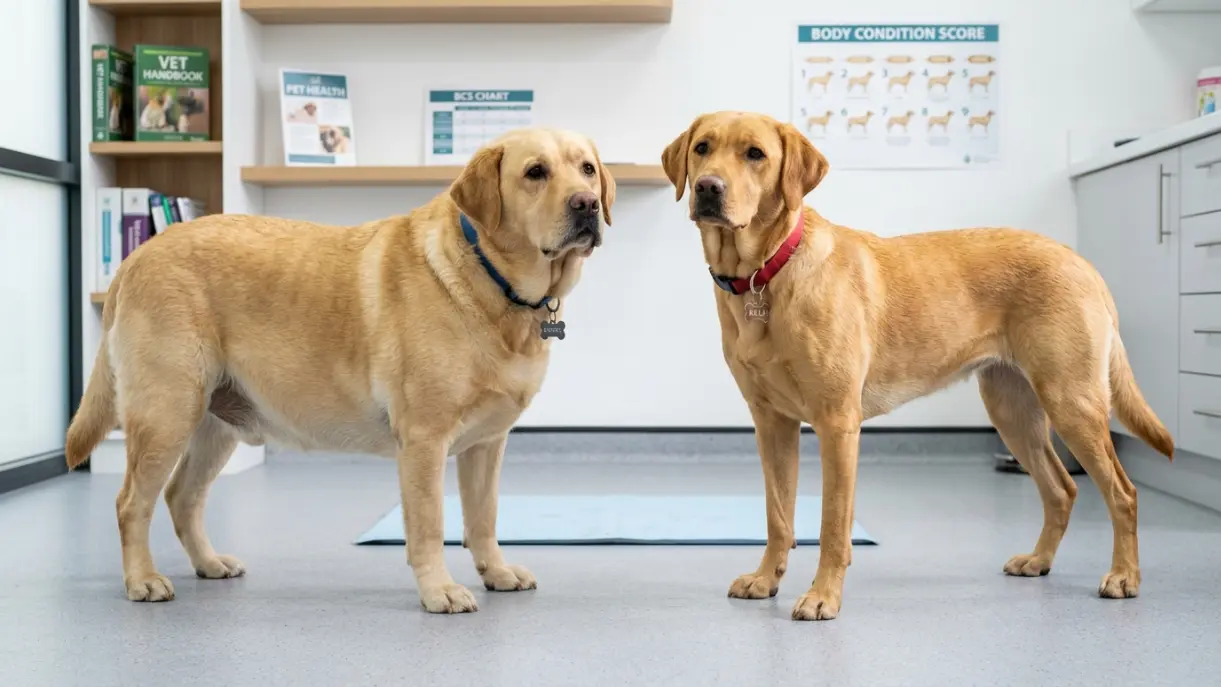
Use your veterinarian's Body Condition Score (BCS) assessment as a guide — aim for a 4–5 on a 9-point scale. For detailed portion charts by weight and activity, our how much food should I feed my dog guide is a useful next step.
Adjusting Texture for Dental Comfort
One of the most practical diet adjustments for senior dogs with dental issues is texture modification.
If your senior dog has:
- Moderate dental disease — try moistening kibble with warm water or low-sodium broth for 5 minutes before serving. This softens it without eliminating the slight abrasive action.
- Significant tooth loss or multiple extractions — transition to wet food, a prescription soft diet, or home-cooked meals formulated with veterinary guidance (board-certified veterinary nutritionists have documented common mistakes in home-prepared diets that leave nutritional gaps). For help choosing the right soft option, see our guide to soft dog food for senior dogs.
- Post-dental surgery recovery — soft, wet food only for the healing period (typically 1–2 weeks).
Do not assume that switching entirely to soft food is always the right choice. Soft food eliminates the mechanical cleaning effect of chewing and can accelerate tartar buildup. Balance is key.
Key Nutrients Senior Dogs Need More Of
Beyond protein, certain nutrients become increasingly important as dogs age:
Omega-3 Fatty Acids (EPA and DHA)
- Reduce joint inflammation
- Support cognitive function and brain aging
- Improve coat and skin condition
- Reduce systemic inflammation linked to periodontal bacteria
Look for food that lists fish oil or fish meal, or supplement with 1,000–3,000mg EPA+DHA daily (adjusted for dog weight — consult your vet). Our supplements guide for senior dogs covers omega-3 dosing and product selection in depth.
Antioxidants (Vitamin E, Vitamin C, Beta-Carotene)
- Neutralize free radicals that accelerate aging
- Support immune response that declines with age
- Help protect cognitive function
Phosphatidylserine and Medium-Chain Triglycerides (MCTs)
- Cognitive support for dogs showing signs of Canine Cognitive Dysfunction (dog dementia)
- Hill's Prescription Diet b/d and Purina Pro Plan Bright Mind are the two most studied commercial options
Digestive Enzymes and Probiotics
- Senior dogs produce fewer digestive enzymes and have less diverse gut flora
- Supporting digestion directly improves nutrient absorption from whatever food they eat
Foods to Prioritize in a Senior Dog's Diet
- Lean proteins: chicken, turkey, salmon, eggs, cottage cheese
- Easily digestible carbohydrates: brown rice, sweet potato, oatmeal
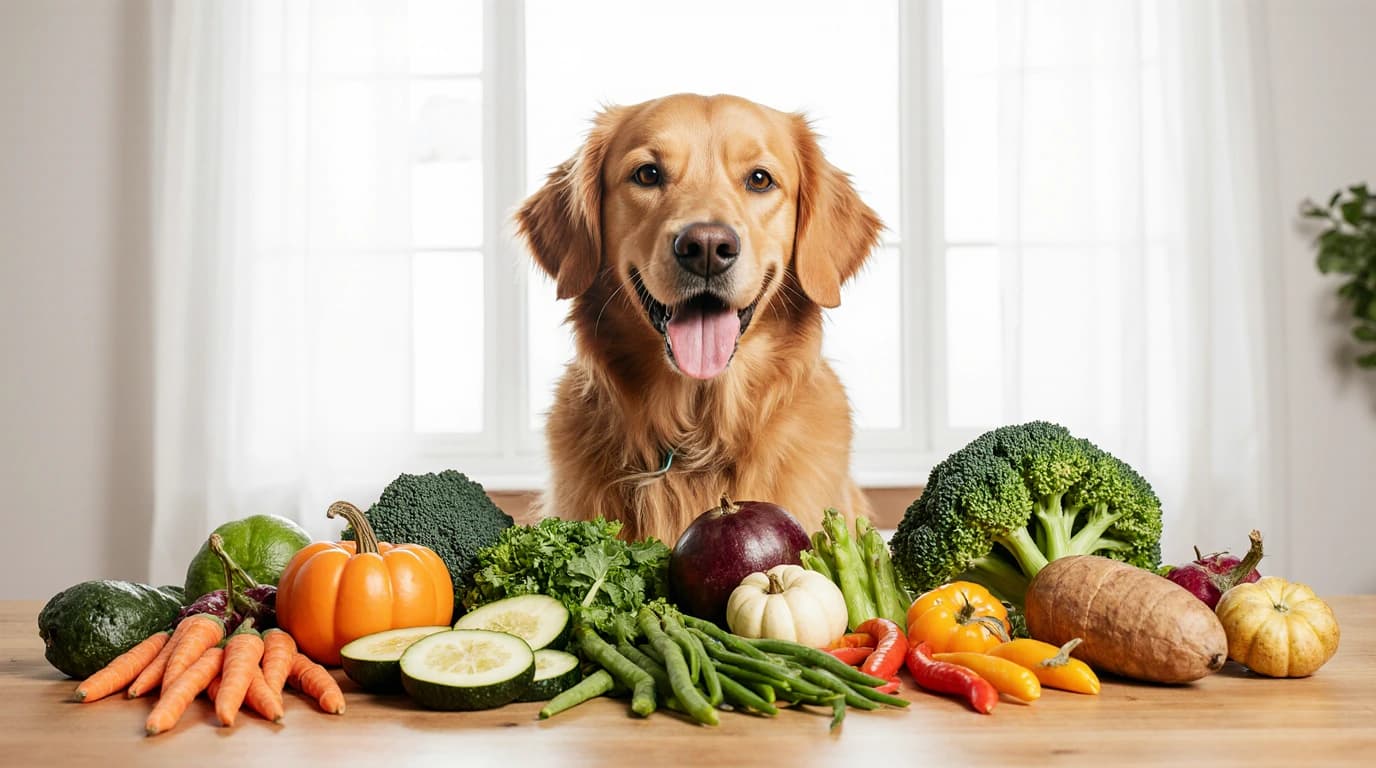
- Anti-inflammatory foods: blueberries, pumpkin, leafy greens (in small amounts). A full list of safe vegetables with serving sizes appears in our guide to vegetables dogs can eat.
- Joint-supporting foods: bone broth, foods with natural glucosamine (chicken feet, trachea)
Foods to Reduce or Eliminate
- High-sodium foods — worsens heart and kidney strain
- High-fat scraps or table food — risk of pancreatitis increases with age
- Rawhide and hard chews (covered above) — dental fracture risk
- Treats over 10% of daily calories — senior metabolism is unforgiving
Connecting Dental Health and Diet: A Daily Routine
A practical daily framework for senior dog care:
| Time | Action |
|---|---|
| Morning | Serve moistened kibble or wet food |
| After breakfast | Brush teeth or use dental wipe |
| Midday | Fresh water with dental additive |
| Evening | Serve main meal |
| After dinner | Supervised soft dental chew (3–4x per week) |
| Weekly | Lip-lift check — look for redness, deposits, loose teeth |
When to See Your Vet
Schedule a vet visit sooner than your annual exam if you notice:
- Any of the dental warning signs listed above
- Sudden weight loss (more than 5–10% of body weight)
- Significant change in eating behavior or food preferences
- Increased thirst and urination (can indicate kidney disease affecting supplement choices)
- Confusion, disorientation, or sleep pattern changes (cognitive decline)
Senior dogs do best with twice-yearly vet checkups, not annual ones. The extra visit is worth it.
Common Mistakes Senior Dog Owners Make
Switching to "senior" food without checking the label. Many senior formulas are simply lower-calorie versions of adult food. Some have reduced protein, which, as discussed, may not be appropriate. Always read the guaranteed analysis, not just the marketing.
Waiting for visible pain before acting on dental issues. By the time a dog visibly shows tooth pain, the disease is advanced. Proactive care is always cheaper and more humane.
Stopping enrichment and chew activity entirely. The instinct to protect an aging dog by removing all challenges is understandable but counterproductive. Appropriate chews, food puzzles, and gentle activity support cognitive and physical health.
Giving human supplements without vet guidance. Fish oil from the grocery store may seem like the same thing as dog-specific omega-3 supplements, but doses and formulations differ. Some human supplements contain xylitol, garlic, or onion — all toxic to dogs.
Vet Tips for Senior Dog Dental and Diet Care
- Get bloodwork every 6 months after age 7. It is the only way to catch kidney or liver changes before they become crises — and it guides every supplement and diet decision.
- Ask specifically about dental X-rays during your senior dog's cleaning. Surface tartar is visible; root disease is not.
- Discuss cognitive health at age 9+. Early intervention with diet and supplements significantly slows Canine Cognitive Dysfunction.
- Weigh your dog monthly at home. A scale at the vet once a year misses gradual changes. Any loss of more than 0.5 lb per month in a small dog warrants investigation.
Frequently Asked Questions
How often should a senior dog have a professional teeth cleaning? Most senior dogs benefit from a professional cleaning every 12–18 months. Dogs with significant existing disease may need it annually. Your vet will guide the schedule based on your dog's individual condition.
Is it safe to put a senior dog under anesthesia for a dental cleaning? With proper pre-anesthetic screening (bloodwork, urinalysis, cardiac assessment if needed), anesthesia in healthy senior dogs is generally safe. The risk of untreated dental disease — systemic infection, organ damage, chronic pain — usually outweighs the anesthesia risk in dogs without serious underlying conditions.
Should I switch my senior dog to wet food? Not necessarily. Wet food can help dogs with significant dental disease or tooth loss eat comfortably, but it eliminates the mechanical cleaning effect of chewing kibble. A middle ground — moistened kibble, mixed wet and dry, or rotating textures — often works well for most senior dogs.
Do senior dogs need less protein? In healthy senior dogs without kidney disease, current evidence does not support protein restriction. Most senior dogs actually benefit from moderate to high protein to prevent muscle loss. Confirm with bloodwork whether kidney disease is present before reducing protein.
What is the best dental chew for senior dogs? Greenies Senior formula and Whimzees are among the most recommended for aging dogs — both are soft enough to reduce fracture risk while still providing mechanical cleaning. Always look for VOHC-approved options.
My senior dog stopped eating their kibble. What should I do? Rule out dental pain first — it is the most common cause of kibble refusal in senior dogs. If a vet exam rules out dental issues, consider texture modifications (moistening kibble), warming the food slightly to enhance aroma, or a gradual transition to a more palatable formula.
Final Verdict
Senior dog dental health and diet are not separate concerns — they are deeply connected. Dental pain affects eating. Poor nutrition accelerates aging. Both affect quality of life in ways that compound over time.
The most important things you can do for your aging dog are consistent at-home dental maintenance, proactive professional cleanings before disease becomes severe, regular bloodwork to guide diet and supplement decisions, and a diet that matches where your dog actually is — not where they were five years ago.
Start now, regardless of your dog's current age. The investment in prevention is always smaller than the cost of treating the consequences.
Topics
Our goal is to give you the most helpful, research-backed information possible. This content is for educational purposes only. For health concerns specific to your dog, always consult your veterinarian.
DogMealGuide Editorial Team
DogMealGuide Editorial Team provides research-backed, practical advice to help dog owners make better nutrition decisions for their pets.
This article is for educational purposes only and is not a substitute for professional veterinary advice.
Best Dog Health Guides
Our top expert-reviewed picks in this category