How to Choose the Best Dog Food for Seniors in 2026
DogMealGuide Editorial Team
DogMealGuide Editorial Team provides research-backed, practical advice to help dog owners make better nutrition decisions for their pets.
How to Choose the Best Dog Food for Seniors in 2026
Watching your loyal companion enter their golden years is a bittersweet journey. As your pet ages, their metabolism slows down and their nutritional needs shift significantly. Providing the right dog food for seniors is essential to maintaining their vitality and comfort throughout 2026.
Navigating the vast market of pet nutrition can feel overwhelming. Yet, focusing on life-stage specific formulas helps manage common health challenges like joint stiffness or digestive sensitivity. Making informed choices today ensures your furry friend enjoys a high quality of life for years to come.
By prioritizing high-quality ingredients, you can effectively support their immune system and cognitive health. This guide will help you select the best dog food for seniors to keep your pet happy and thriving.
Key Takeaways
- Aging pets require specialized nutrition to support slower metabolisms.
- Life-stage formulas help mitigate common age-related health issues.
- Quality ingredients are vital for maintaining joint and cognitive function.
- Consulting with your veterinarian ensures a tailored dietary approach.
- Proper nutrition significantly improves your pet's daily quality of life.
Understanding the Changing Nutritional Needs of Aging Dogs
Watching your loyal companion grow older is a journey that demands a closer look at how their nutritional needs evolve over time. As your dog enters their golden years, their body undergoes significant internal changes that require a fresh approach to daily sustenance. Recognizing these shifts early allows you to provide the support necessary for a long and comfortable life.
Metabolic Slowdown and Weight Management
One of the most prominent changes in senior dogs is a noticeable reduction in their basal metabolic rate. Because your dog is likely less active than they were in their youth, they burn fewer calories throughout the day. Managing caloric intake is essential to prevent unwanted weight gain, which can place unnecessary stress on their heart and internal organs.
Obesity in older pets often acts as a catalyst for other health complications. By monitoring their body condition score and adjusting portion sizes, you help your dog maintain a healthy weight. If you're not sure whether your dog is carrying extra pounds, our guide to overweight dogs covers the warning signs and health risks in detail. This proactive strategy ensures that their metabolism remains balanced despite the natural slowing of their system.
Joint Health and Mobility Support
As the years pass, the structural integrity of your dog's joints may begin to decline. You might notice that your pet is less eager to jump or climb stairs, which is often a sign of discomfort. Incorporating specific nutrients into their diet can help preserve their mobility and overall quality of life.
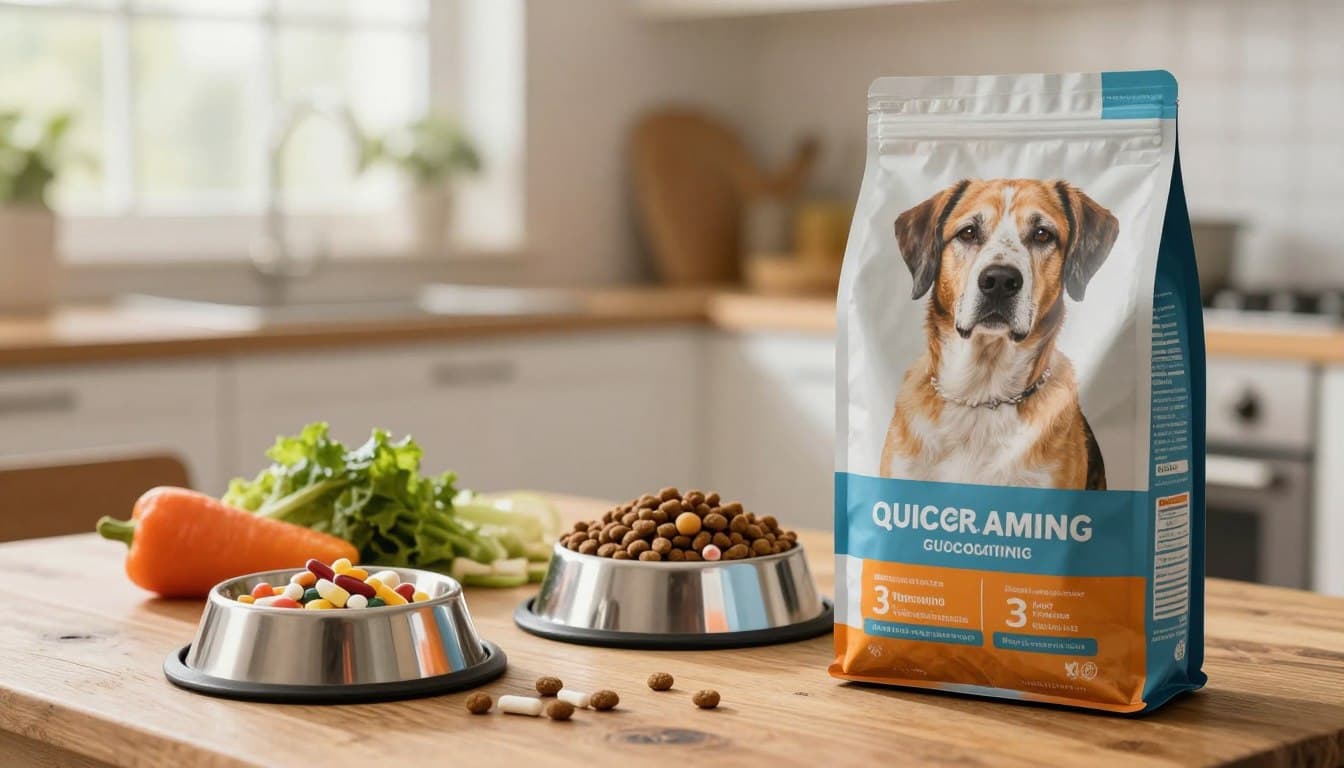
Supplements such as glucosamine and chondroitin are vital for supporting cartilage health and reducing inflammation. These compounds work to lubricate the joints, allowing your dog to move with greater ease. For a vet-backed breakdown of which senior supplements actually matter, see our guide to the best supplements for senior dogs. Providing a diet rich in these ingredients is a thoughtful way to show your love and keep your companion active.
| Nutritional Focus | Adult Dog Needs | Senior Dog Needs |
|---|---|---|
| Caloric Density | High for energy | Lower to prevent obesity |
| Joint Support | Maintenance levels | High levels of glucosamine |
| Protein Quality | Standard maintenance | Highly digestible sources |
| Fiber Content | Moderate | Increased for digestion |
How to Choose the Best Dog Food for Seniors
Choosing the right food for your senior dog is key. It's important to know what's in the bag. When you look for dog food for seniors, the packaging might not tell the whole story. By looking beyond the front of the bag, you can make better choices for your pet's health.
Reading Ingredient Labels Effectively
The ingredient list is your best guide. Ingredients are listed by weight, so the first ones are the main ingredients. Look for a named animal protein like chicken, beef, or salmon as the first ingredient. Also check for an AAFCO statement of nutritional adequacy, which confirms the recipe is formulated to be complete and balanced for your dog's life stage.
Stay away from fillers like corn gluten meal, soy, or too much wheat. These add empty calories, not the nutrients your dog needs. Opt for foods with whole, identifiable ingredients for the best nutrition.
| Ingredient Type | High-Quality Choice | Low-Quality Filler |
|---|---|---|
| Protein Source | Deboned Chicken | Meat By-product Meal |
| Carbohydrate | Sweet Potatoes | Corn Gluten Meal |
| Fat Source | Salmon Oil | Animal Fat (Unspecified) |
Identifying Essential Vitamins and Minerals
Check if the food has a balanced mix of micronutrients. As dogs age, they absorb nutrients less efficiently. That's why what is the healthiest dog food for senior dogs often has chelated minerals.
Look for added supplements like glucosamine and chondroitin for joint health. Also, make sure the food has the right calcium and phosphorus for strong bones. These details greatly improve your dog's comfort and energy.
The Role of Antioxidants in Longevity
Antioxidants protect your dog's cells from damage. Blueberries, cranberries, and spinach are great sources. They boost the immune system, which weakens with age.
When choosing what is the healthiest dog food for senior dogs, focus on Vitamin E and Vitamin C. These vitamins shield cells from damage, helping your dog live longer. A diet rich in these vitamins is an investment in your dog's future health.
Evaluating Protein Requirements for Senior Canines
As your dog gets older, their body changes a lot. Many people think senior dogs need less protein to stay healthy. But, adequate protein intake is key to stop muscle loss that comes with aging.
Good amino acids help your dog stay strong for everyday tasks. Without enough protein, your dog might have trouble moving and feel tired more often.
Why Muscle Mass Matters in Older Dogs
Keeping lean muscle is vital for your dog's health. Muscles support joints, which can be stressed by arthritis or wear and tear. Losing muscle means joints have to work harder, leading to more pain.
Strong muscles also help with metabolism and a healthy immune system. Giving your dog enough high-quality protein helps them stay active and playful as seniors.
Protein is not just for youth; it's key for keeping aging pets active and independent throughout their lives.
Veterinary Nutritionist
Balancing Protein Quality and Kidney Health
Protein is important, but the quality of the source is just as critical. Choose digestible proteins with a full amino acid profile to avoid waste. This way, your dog gets the nutrients they need without harming their kidneys.
If your dog has kidney issues, your vet might recommend special diets. But for most healthy seniors, focus on high-quality, easy-to-digest proteins, not just cutting back.
| Protein Source | Digestibility | Best For |
|---|---|---|
| Chicken Meal | High | Muscle Maintenance |
| Fresh Salmon | Very High | Joint & Skin Health |
| Egg Protein | Excellent | Sensitive Digestion |
| Lamb | Moderate | Flavor & Variety |
Managing Digestive Health with Sensitive Stomach Dog Food for Seniors
As your dog gets older, their stomach might get more sensitive. This is because their metabolism slows down and their digestive system works less efficiently. The right sensitive stomach dog food for seniors can greatly improve your pet's comfort and energy.
Identifying Common Food Sensitivities
Spotting signs of stomach trouble is key to helping your dog feel better. Older dogs often react differently to foods they used to eat without issue. Watch for signs like:
- Frequent gas or bloating after eating.
- Loose stools or diarrhea that keeps coming back.
- Constant vomiting or regurgitation.
- A drop in appetite or interest in food.
- Excessive licking of paws or skin, which might mean an allergy.
If you see these signs, talk to your vet to check for any serious health issues. If it's just a food issue, switching to a sensitive stomach dog food for seniors can help. These foods have highly digestible proteins and fewer ingredients to ease your dog's digestive load.
The Importance of Prebiotics and Probiotics
A healthy gut is vital for your dog's immune system and nutrient uptake. As dogs age, their gut balance can change, causing discomfort. Adding prebiotics and probiotics to their diet helps maintain this balance.
Probiotics are good bacteria that aid digestion, while prebiotics feed these beneficial microbes. Many senior dog diets now include these to help your pet digest food better. This ensures they get the nutrients they need for their golden years.
Selecting the Right Texture for Your Dog
As your dog gets older, their dental health can affect their appetite. Many older pets have sensitive teeth or lose teeth, making meals hard. Choosing the right texture is a simple yet effective way to help your dog enjoy their meals again. Because dental problems and diet go hand in hand, our senior dog dental health and diet guide walks through how to protect both.
Benefits of Soft Dry Dog Food for Senior Dogs
Soft dry dog food for senior dogs is a great choice. It's easier to chew and packed with nutrients. This food has a softer bite that's gentle on gums and teeth.
Consistency is key in a senior pet's diet. A balanced food helps keep their weight and energy up. These formulas also have more moisture, which is good for staying hydrated as they age.
"The quality of nutrition in a senior dog's bowl is only as good as their ability to comfortably consume it."
When to Switch to Soft Dog Food for Senior Dogs
Knowing when to switch to soft dog food for senior dogs is important. Look for signs like dropping kibble or hesitation when eating. These can mean the food is too hard. If you see them, our guide to choosing soft food for senior dogs can help you pick the right texture.
Other signs include more drooling, bad breath, or losing interest in food. If your vet says there are dental issues, a softer diet can help right away. This change keeps your pet well-nourished and happy in their later years.
Specialized Nutrition for Senior Small Breeds
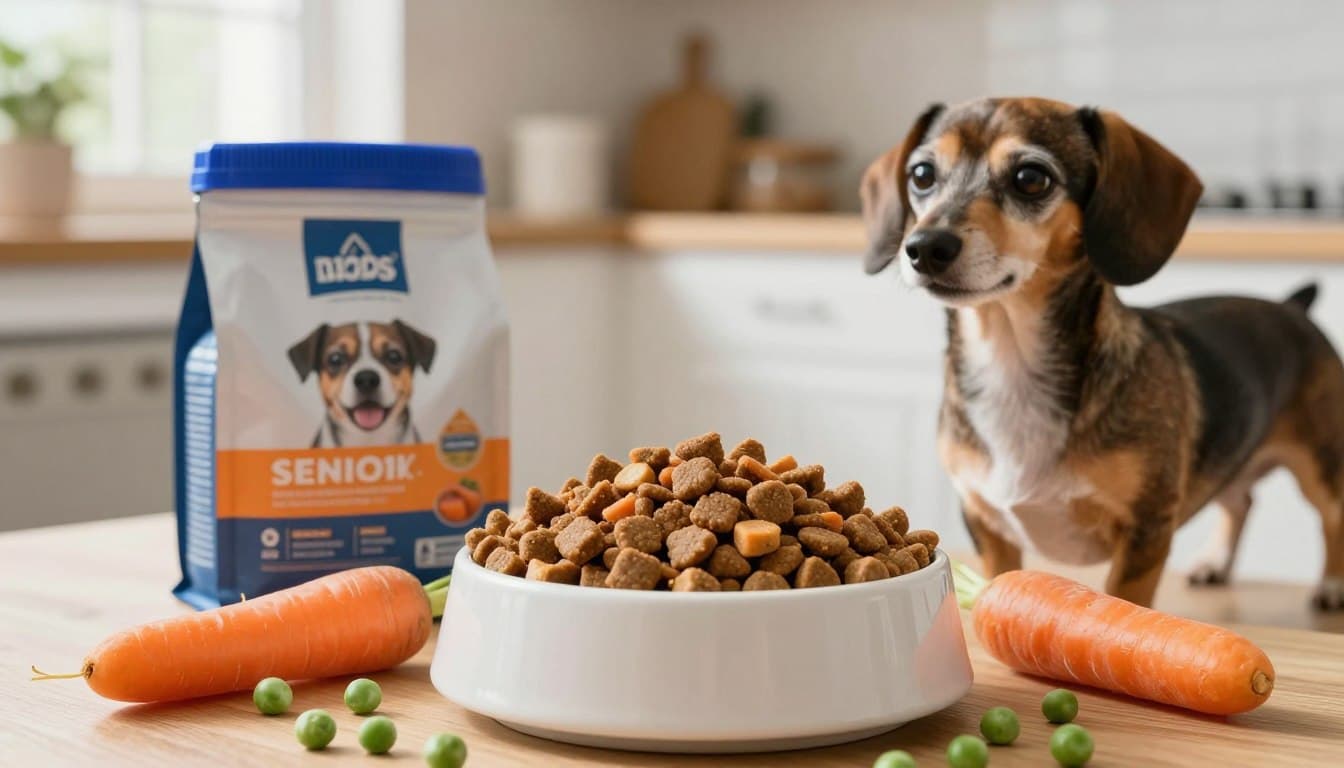
As your small pet gets older, their needs change. It's important to pick the right dog food for senior small breeds to keep them active and healthy. Unlike bigger dogs, small pets keep their fast metabolism longer.
Caloric Density for High-Metabolism Seniors
Many think all senior dogs need low-calorie food. But, this isn't true for all small breeds. They need more calories because of their higher metabolic demands. The right dog food for senior small breeds helps prevent muscle loss and keeps them from feeling tired.
If your dog is losing weight, look for food with more energy. These diets give your pet the right amount of fuel in smaller portions. Proper caloric balance keeps your senior dog feeling young and full of energy.
Kibble Size and Dental Considerations
As dogs age, their teeth become a big concern. Small breeds are more likely to get gum disease. Choosing dog food for senior small breeds with the right kibble size helps them chew without pain and reduces choking risks.
The food's texture also helps clean teeth. Smaller, special shapes can remove plaque as your dog eats. This helps with both their nutrition and keeping their teeth clean.
| Feature | Small Senior Breed | Large Senior Breed |
|---|---|---|
| Metabolic Rate | Higher | Lower |
| Kibble Size | Small/Mini | Large/Standard |
| Caloric Density | High | Moderate |
| Joint Support | Essential | Critical |
Incorporating Wet Food for Senior Dogs into the Diet
If your older dog is losing interest in dry kibble, wet food for senior dogs could be the answer. As dogs get older, their sense of smell and taste can fade. This makes mealtime less fun. Wet food is moist and aromatic, making it more appealing and ensuring they get the nutrients they need. For a deeper look at moisture-rich senior diets, see our wet dog food tips for senior dogs.
Hydration Benefits of Wet Food
Keeping your senior dog hydrated is key, as their kidneys age. Many older dogs don't drink enough water, which can harm their health. Wet food for senior dogs has a lot of moisture, helping them stay hydrated.
This extra moisture supports their kidneys and metabolism. It also helps with digestion, making it easier for your dog to absorb nutrients. You might see improvements in their energy and skin health.
Mixing Wet and Dry Food Strategies
You don't have to pick between kibble and canned food. Mixing wet food for senior dogs with their regular kibble is a great idea. This mix offers the best of both worlds, making meals more enjoyable and nutritious.
Here are some tips for a smooth transition:
- Start slowly: Add a small amount of wet food to their kibble to help their stomach adjust.
- Maintain balance: Adjust the kibble amount to balance the calories in the wet food, preventing weight gain.
- Consistent ratios: Aim for a consistent mix to keep them excited for meals.
- Storage matters: Refrigerate unused wet food and serve it at room temperature for better taste.
This balanced diet gives your senior dog the fiber and dental benefits of kibble, along with the hydration and taste of wet food. Always watch how they react to the new diet to keep them happy and healthy. For help balancing calories and portions when mixing textures, see our how much to feed your dog guide.
Benefits of High Protein Dog Food for Senior Dogs
As your dog gets older, protein becomes more important in their diet. Choosing the right high protein dog food for senior dogs can greatly improve their health and comfort. It's key to understand how protein affects an aging body for better health.
Supporting Lean Muscle Maintenance
One big challenge for older dogs is losing muscle mass, known as sarcopenia. Without enough protein, dogs can become weak and less mobile. This can start a cycle of less activity.
By choosing a high protein dog food for senior dogs, you give your pet the tools to stay strong. These foods are made to be easy to digest, helping your dog get the most from their food. Keeping muscles strong is important for joint health and keeping your dog active longer.
When High Protein Might Not Be Appropriate
Even though protein is key, it's not right for every older pet. Dogs with advanced renal disease might not be able to handle too much protein. It can stress their kidneys too much.
Always talk to your vet before changing your dog's diet. They can check if your dog can handle more protein safely. Making the right choice helps ensure your dog gets the care they need.
Exploring Purina Dog Food for Seniors and Other Trusted Brands
Looking for the right pet food can be tough. But, focusing on brands backed by science makes it easier. As your dog gets older, picking a reliable brand is key. Many owners find purina dog food for seniors meets their aging pet's needs well.

Analyzing Purina Pro Plan Senior Formulas
Purina Pro Plan is known for its focus on research and nutrition. These formulas are made to help with the metabolic changes dogs face as they age. They use high-quality proteins to keep muscles strong and are easy on the stomach.
These formulas also include special oils to help older dogs stay alert. By choosing purina dog food for seniors, you're picking a product that's been tested and vetted.
Comparing Market-Leading Senior Nutrition Options
When comparing brands, look for clear ingredient lists and nutritional goals. A good senior diet should list a named protein first. Also, check for added supplements like glucosamine and chondroitin for joint health.
Here's a simple guide to help you choose:
- Protein Quality: Does the food have enough amino acids to prevent muscle loss?
- Caloric Density: Is the food's energy level right for your dog's activity level?
- Digestive Support: Does the formula include prebiotics or fiber for sensitive stomachs?
The best choice is one your vet recommends and fits your dog's health needs. Whether it's purina dog food for seniors or another top brand, choose products with strict quality control. This gives you peace of mind as you care for your dog's nutrition.
Preparing Homemade Dog Food for Senior Dogs Safely
Creating homemade dog food for senior dogs can be rewarding. But, it's important to focus on safety and nutrition. Your older pet needs specific nutrients to stay healthy.
Consulting with Your Veterinarian First
Start by talking to your vet or a veterinary nutritionist. They'll check your dog's health and any special needs. Professional guidance is key to making the right food for your dog.
Trying to make food without a vet's help can be risky. Your vet will help you get the right amount of calories. This way, your senior dog stays at a healthy weight.
Essential Nutrients to Include in Home-Cooked Meals
A good meal for an older dog has the right mix of proteins, fats, and carbs. You also need to add supplements for joints and brain health. Without these, your dog might lose muscle or have memory problems.
It's important to watch the calcium and phosphorus levels. These help keep bones strong and organs working right. Also, make sure to add trace minerals. Use a precise kitchen scale to measure ingredients.
Avoiding Toxic Ingredients for Senior Dogs
When making homemade dog food for senior dogs, safety is the top priority. Some foods that are safe for humans are toxic to dogs. Avoid onions, garlic, grapes, raisins, and chocolate.
Also, stay away from artificial sweeteners like xylitol. It's very dangerous, even in small amounts. Always check your ingredients against a list of safe foods for dogs. Vigilance in the kitchen keeps your senior dog safe from poisoning. Start with our foods dogs should never eat list to rule out the most dangerous ingredients.
Transitioning Your Dog to a New Diet
Changing your aging dog's food is a big step. Senior dogs can get upset stomachs if their diet changes too fast. Taking your time helps them adjust to their new food.
The Gradual Mixing Method
The best way to switch foods is the gradual mixing method. You start by mixing a little new food with a lot of old food. This lets their body get used to the new food slowly.
Begin with a mix that's mostly old food and a bit of new. Over a few days, slowly change the mix until they're eating only the new food. This way, they won't get sick from sudden changes.
| Day | Old Food Ratio | New Food Ratio |
|---|---|---|
| 1-2 | 75% | 25% |
| 3-4 | 50% | 50% |
| 5-6 | 25% | 75% |
| 7 | 0% | 100% |
Monitoring Your Dog for Digestive Upset
Even with a slow transition, watch your dog closely for signs of upset. Look at their stool, appetite, and energy. If they seem uncomfortable, slow down the transition.
Some dogs might react to new foods with itching or skin issues. If you see these signs, stop the transition and talk to your vet. Patience is your greatest tool during this time. It helps your dog get used to the new diet safely.
Conclusion
Choosing the right dog food for seniors is a big deal. It affects how well your dog ages. Your decisions today shape their golden years.
Look for high-quality ingredients that meet your dog's needs as they get older. Brands like Purina Pro Plan have special formulas for seniors.
Work closely with your vet to keep an eye on your dog's health. Regular check-ups help make sure the food you choose is right for them as they grow older.
Watch for signs that your dog is feeling better after changing their diet. Even small changes can make a big difference in their life.
Make sure your dog stays hydrated and manages their weight. This helps them feel their best. Your effort in choosing the right food for them will lead to many more happy moments together.
FAQ
What is the healthiest dog food for senior dogs to maintain their quality of life?
The best dog food for senior dogs is balanced for their aging needs. It should have high-quality proteins to keep muscles strong. It also needs nutrients like glucosamine and chondroitin for joint health.
Brands like Purina Pro Plan Senior are good choices. They add antioxidants and omega-3 fatty acids. These support brain health and immune function as your pet ages.
When should I consider switching to soft dog food for senior dogs?
Switch to soft dog food if your pet has trouble chewing hard kibble. If they lose interest in meals or have dental problems, it's time for a change. Soft food is easier on their gums and can be more appealing.
Is high protein dog food for senior dogs safe for their kidneys?
High protein food is usually safe for healthy aging pets. It helps prevent muscle loss and boosts the immune system. But, if your dog has kidney disease, your vet might suggest a lower protein diet.
Always talk to a vet to make sure the protein intake is right for your dog's kidneys.
What are the benefits of using soft dry dog food for senior dogs?
Soft dry dog food is a good option for pets who need a soft texture but like kibble. It's easier to chew than regular biscuits. This makes it great for dogs with mild dental issues.
How do I choose the right dog food for senior small breeds?
Choose dog food for senior small breeds based on their size and metabolism. They need food that's packed with nutrients but easy to chew. Look for "small bite" formulas that are gentle on their teeth and stomachs.
Why should I look for sensitive stomach dog food for seniors?
As dogs age, their digestive systems can slow down. This can lead to digestive issues. Sensitive stomach dog food for seniors helps keep their gut healthy.
It often includes prebiotics and probiotics. Ingredients like oatmeal or salmon are used to help your dog digest food better.
Can I transition my pet to homemade dog food for senior dogs safely?
You can make homemade dog food for senior dogs, but it needs to be done carefully. Homemade diets can lack important minerals and vitamins. Always use safe ingredients and avoid harmful foods like onions or garlic.
What are the advantages of adding wet food for senior dogs to their daily routine?
Adding wet food to your dog's diet can help with hydration. Many older dogs have trouble staying hydrated, which can lead to kidney problems. Wet food is high in moisture, which supports their urinary health.
It can also make mealtime more enjoyable for picky eaters.
Is Purina dog food for seniors a science-backed choice?
Yes, Purina dog food for seniors is developed by veterinarians and nutritionists. The Bright Mind or Senior 7+ formulas are designed to meet the needs of aging dogs. They are a trusted choice for senior dog nutrition.
What is the best way to switch my dog to a new senior formula?
To avoid digestive problems, gradually introduce the new food. Start by mixing 25% new food with 75% old food. Slowly increase the new food over 7 to 10 days.
Watch for signs of upset stomach or diarrhea before increasing the new food further.
Topics
Our goal is to give you the most helpful, research-backed information possible. This content is for educational purposes only. For health concerns specific to your dog, always consult your veterinarian.
DogMealGuide Editorial Team
DogMealGuide Editorial Team provides research-backed, practical advice to help dog owners make better nutrition decisions for their pets.
This article is for educational purposes only and is not a substitute for professional veterinary advice.
Best Senior Dogs Guides
Our top expert-reviewed picks in this category