Soft Dog Food for Senior Dogs How to Choose the Right One
DogMealGuide Editorial Team
DogMealGuide Editorial Team provides research-backed, practical advice to help dog owners make better nutrition decisions for their pets.
Soft Dog Food for Senior Dogs How to Choose the Right One
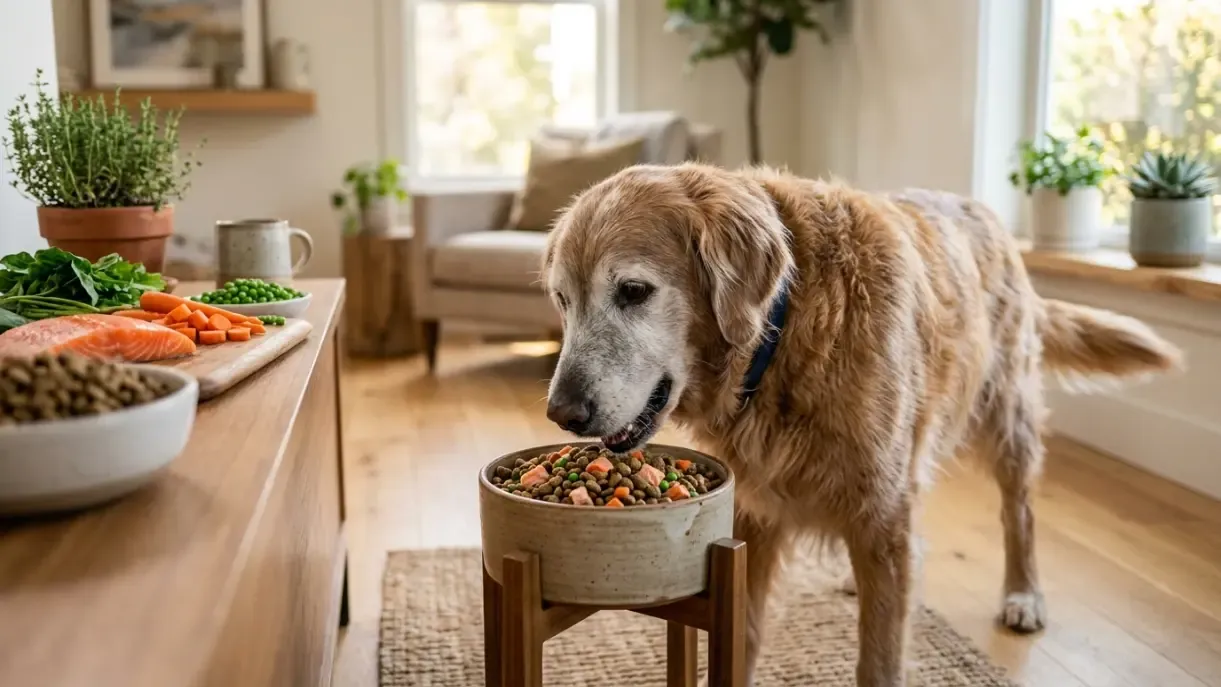
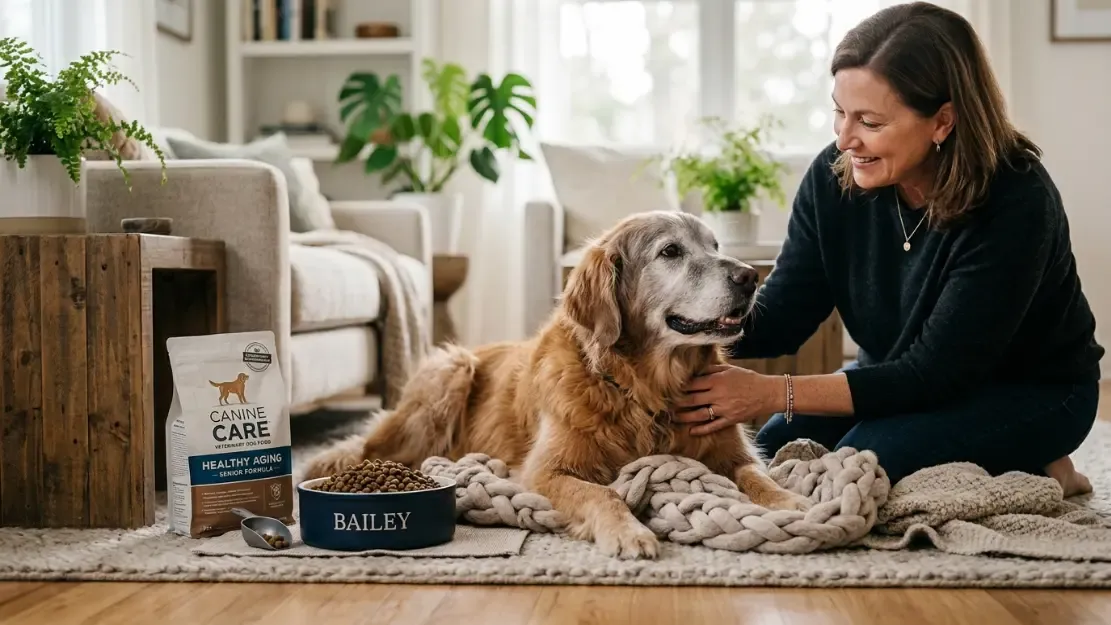
Watching your loyal companion enter their golden years is a bittersweet experience. As your pet ages, their body undergoes natural changes. These changes require a shift in daily care.
Providing specialized nutrition is the most effective way to support their long-term health and comfort.
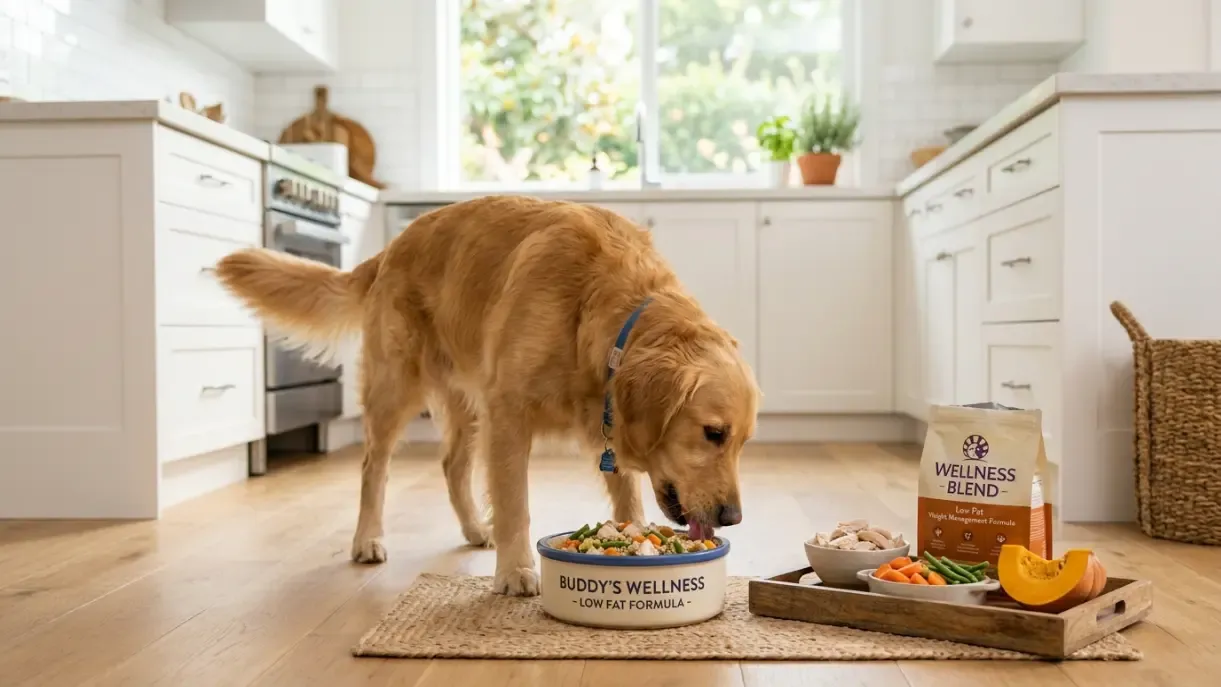
Many owners find that soft dog food for senior dogs offers the perfect solution to common aging issues. As teeth become sensitive and digestion slows, the texture and nutrient density of a meal play a vital role in maintaining vitality. Making the right dietary choice can significantly improve your pet's quality of life during these precious later stages.
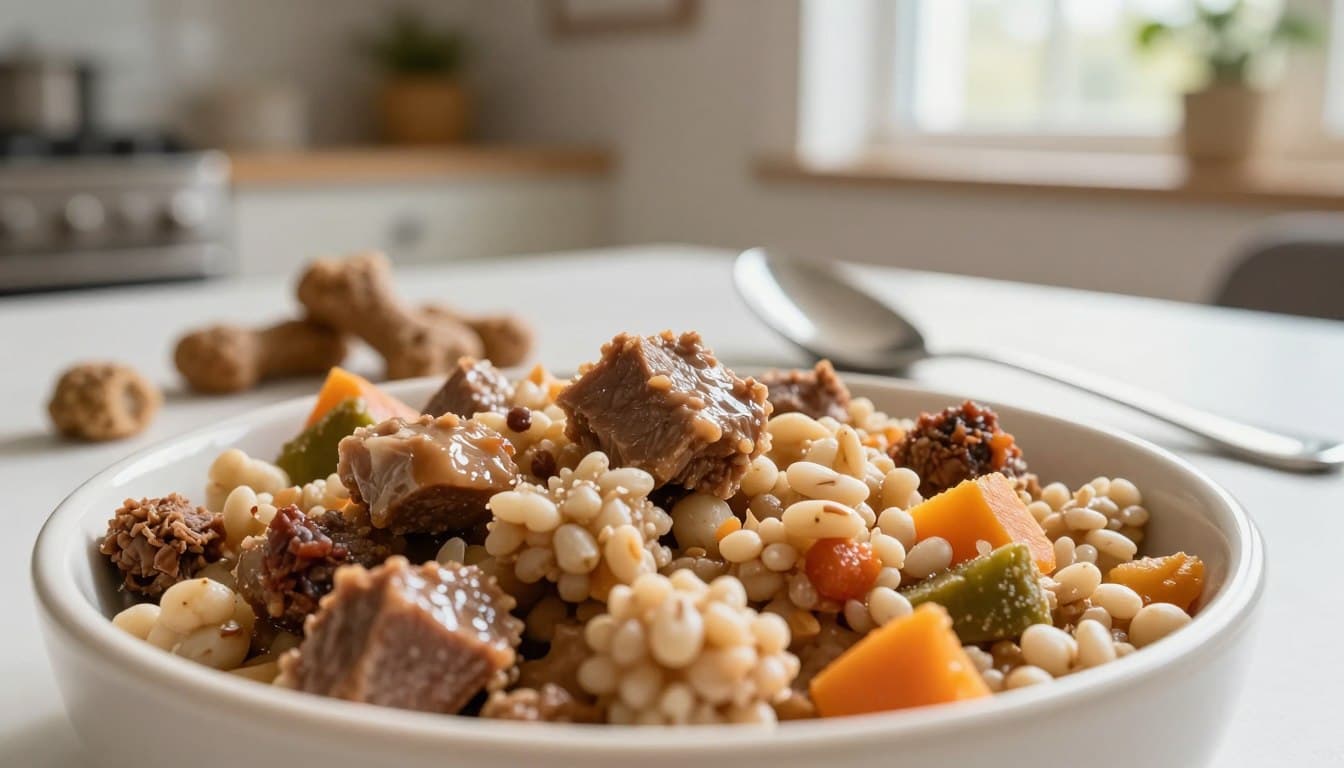
Adjusting your approach to feeding ensures your best friend stays happy and active. By focusing on high-quality ingredients that are easy to chew, you help them thrive despite the challenges of getting older. Understanding these nutritional needs is the first step toward ensuring many more joyful years together.
Key Takeaways
- Aging pets require specific nutrients to maintain muscle mass and joint health.
- Texture is a critical factor for pets experiencing dental sensitivity or gum issues.
- High-quality, moisture-rich meals support better digestion and hydration levels.
- Consulting with your veterinarian helps tailor a diet to your pet's unique medical history.
- Small, consistent dietary adjustments can lead to noticeable improvements in energy and mood.
Understanding the Nutritional Needs of Aging Dogs
As your dog gets older, their body changes a lot. They need a special diet to stay healthy. This means finding the best soft dog food for senior dogs is key.
Metabolic Changes in Senior Canines
Older dogs move slower and need fewer calories. This is because they are less active than younger dogs.
But, they need more nutrients. The best soft dog food for senior dogs gives them what they need without too many calories.
The Importance of High-Quality Protein
Keeping muscles strong is hard for older pets. They need good protein to fight muscle loss and keep their immune system strong.
Senior dogs need proteins that are easy to digest. The best soft dog food for senior dogs helps them stay mobile and full of life.
| Nutrient Category | Adult Dog Needs | Senior Dog Needs |
|---|---|---|
| Caloric Density | Higher for energy | Lower to prevent obesity |
| Protein Quality | Standard maintenance | High bioavailability |
| Fiber Content | Moderate | Increased for digestion |
| Joint Support | Preventative | Therapeutic levels |
Identifying Signs Your Senior Dog Needs Soft Food
Watching your aging companion struggle at the food bowl can be heartbreaking for any pet owner. As dogs enter their golden years, they often face physical changes. These changes make standard dry kibble hard to manage. Recognizing these cues early helps you provide soft dog food for senior dogs with bad teeth before their health declines.
Recognizing Dental Pain and Tooth Loss
Dental issues are common in older canines and often go unnoticed until they become severe. You might see your dog approach their bowl with excitement, then pull away suddenly or drop food on the floor. This hesitation is a classic sign of oral discomfort or loose teeth. Dental disease is one of the most common health problems in older dogs — our senior dog dental health and diet guide explains how to protect their teeth as they age.
Other signs include excessive drooling, pawing at the mouth, or a noticeable change in breath odor. If you see these symptoms, switching to soft dog food for senior dogs with bad teeth can provide immediate relief. Gentle textures allow your pet to eat without the pressure of crunching hard kibble against sensitive gums.
Addressing Decreased Appetite and Chewing Difficulty
When chewing becomes a painful chore, many senior dogs will simply stop eating their regular meals. This loss of appetite can lead to dangerous weight loss and nutritional deficiencies. You must act quickly to ensure your dog maintains their strength and vitality during their later years.
Providing soft dog food for senior dogs with bad teeth is a proactive way to encourage healthy eating habits. Soft formulas are easier to digest and require minimal effort to consume. This helps keep your dog well-nourished. By making this simple adjustment, you ensure that mealtime remains a positive and pain-free experience for your loyal friend.
How to Choose the Right Soft Dog Food for Senior Dogs
Looking for the right soft dog food for senior dogs can be tough. It's important to know what your pet needs to stay healthy. By focusing on the right nutrients, you can make sure your dog enjoys their meals and stays healthy. For a broader view of what to shop for, our guide to choosing the best dog food for seniors covers labels, proteins, and texture in more detail.
Comparing Wet Food versus Soft Kibble
There are mainly two types of food: canned wet food and soft kibble. Canned food is tasty and helps with hydration, which is good for dogs with kidney issues. Soft kibble, on the other hand, is easier on their teeth than dry food.
Deciding between wet and soft kibble depends on your dog's dental health and taste. Some dogs love the smell of wet food, while others prefer soft kibble. Always observe your dog's preference to see which they like better. We break down wet dog food for senior dogs in more detail, including its hydration benefits.
Reading Labels for Senior-Specific Formulas
Not all pet foods are the same, and this is true for older dogs. Look for labels that say the food is for seniors. These formulas are made to meet the nutritional needs of older dogs with slower metabolisms. An AAFCO statement of nutritional adequacy verifies the formula is complete and balanced for that life stage.
Checking for Joint Support Additives
As dogs get older, their joints need extra care. Look for glucosamine and chondroitin in the ingredients. These help keep the cartilage healthy, keeping your dog active and comfortable. For a science-backed look at joint and other senior supplements, see our guide to the best supplements for senior dogs.
Monitoring Sodium and Calorie Content
Keeping your dog's weight in check is key for seniors. Too many calories can lead to obesity, which is hard on the heart and joints. Check the packaging to make sure you're not overfeeding.
Also, watch the sodium levels to help your dog's heart stay healthy. Choosing a soft dog food for senior dogs with the right amount of sodium and calories will help your pet stay at a healthy weight.
Evaluating Ingredients for Senior Health
Your senior dog needs a diet that supports their changing body. High-quality ingredients are key. As they age, their body becomes more sensitive to low-grade fillers. So, finding the best soft dog food for senior dogs means looking at the ingredient list closely.
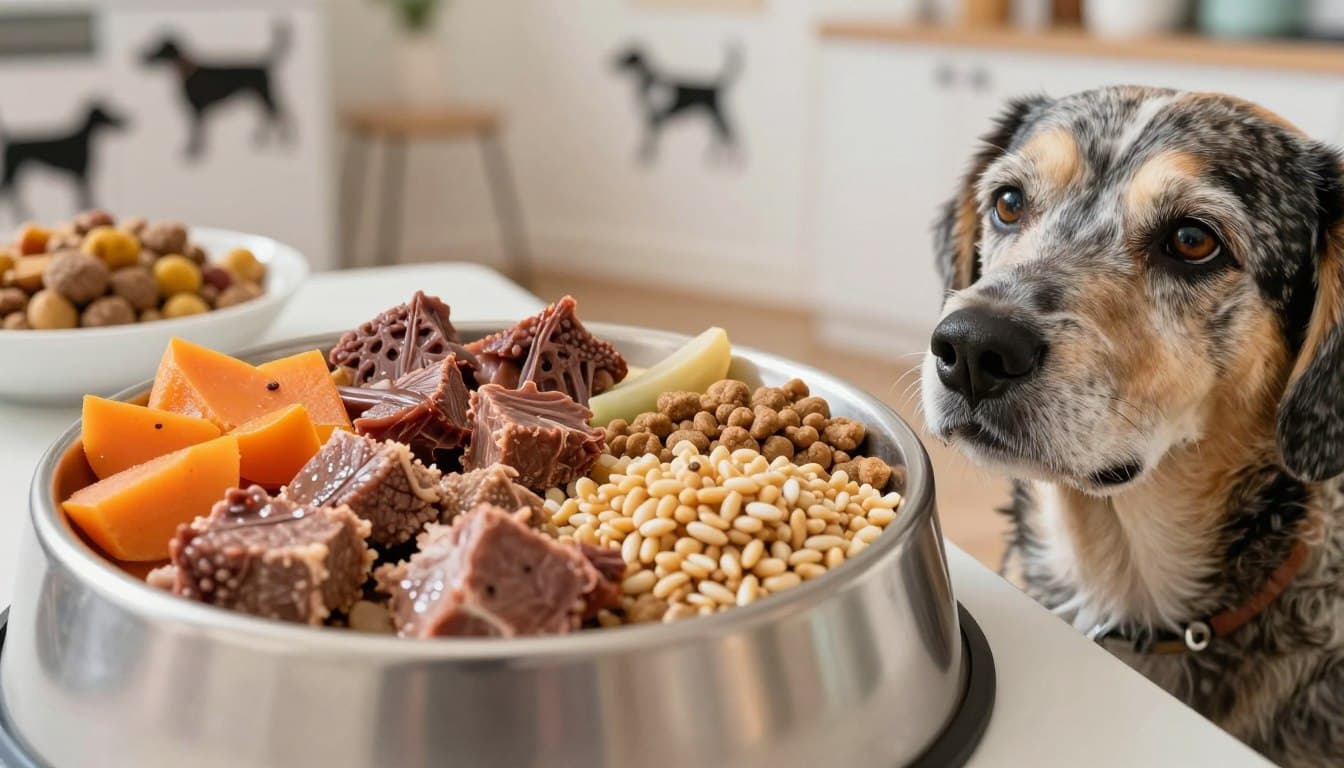
Prioritizing Digestible Proteins
Aging dogs have trouble breaking down complex proteins. Look for formulas with highly digestible protein sources like deboned chicken or turkey. These help maintain muscle mass without straining the digestive system.
When picking the best soft dog food for senior dogs, check that protein is the first ingredient. Quality protein is vital for organ function and energy in older pets. Stay away from foods with meat by-products or "meat meals" that may not be nutritious.
The Role of Fiber in Senior Digestion
Digestive health often worsens with age, causing constipation or irregular bowel movements. The right amount of fiber keeps your dog's system moving well. Pumpkin, sweet potatoes, and beet pulp are great sources of healthy fiber for gut health.
A balanced fiber content helps your dog feel full and satisfied. This is key for seniors with lower activity levels and a risk of weight gain. Keeping a healthy digestive rhythm greatly improves your dog's daily comfort.
Essential Vitamins and Minerals for Aging Bodies
An older dog's immune system needs extra support. Look for recipes with antioxidants like Vitamin E and Vitamin C to fight oxidative stress. These are important for long-term health in the best soft dog food for senior dogs.
Also, seek out minerals like zinc and selenium for skin health and metabolic function. Proper supplementation ensures your aging pet gets the nutrients they can't produce or absorb well. Make sure the formula meets senior nutritional standards for complete health.
Transitioning Your Dog to a Softer Diet
Switching to a new diet can be easy with a simple plan. When you start using soft kibble dog food for seniors, your dog's stomach needs time to adjust. A sudden change can upset their stomach, so be patient.
The Gradual Mixing Method
The best way to change diets is to mix the new food with the old over seven to ten days. This slow and steady method helps your dog's stomach adjust without upset. Here's a simple schedule to follow:
- Days 1-3: Mix 25% new food with 75% of the old diet.
- Days 4-6: Combine 50% of the new soft kibble dog food for seniors with 50% of the previous food.
- Days 7-9: Serve 75% new food and 25% old food.
- Day 10: Transition fully to the new diet if your dog shows no signs of discomfort.
Monitoring Your Dog for Digestive Upset
While introducing the new soft kibble dog food for seniors, watch your pet closely. Look for changes in their stool, like loose stools or diarrhea. These signs mean the transition is too fast.
If you see these symptoms, slow down by going back to the previous ratio for a few more days. Also, check your dog's energy levels and mood. A good transition won't make them tired or less hungry. If they're active and happy, you're on the right path to a better diet.
Managing Dental Issues with Soft Food
It's possible to keep your aging dog's mouth healthy without dry kibble. Soft dog food can be just as good for their teeth as long as you follow a good routine. Choosing soft dog food for senior dogs with bad teeth is a kind choice that helps their health without harming their teeth.
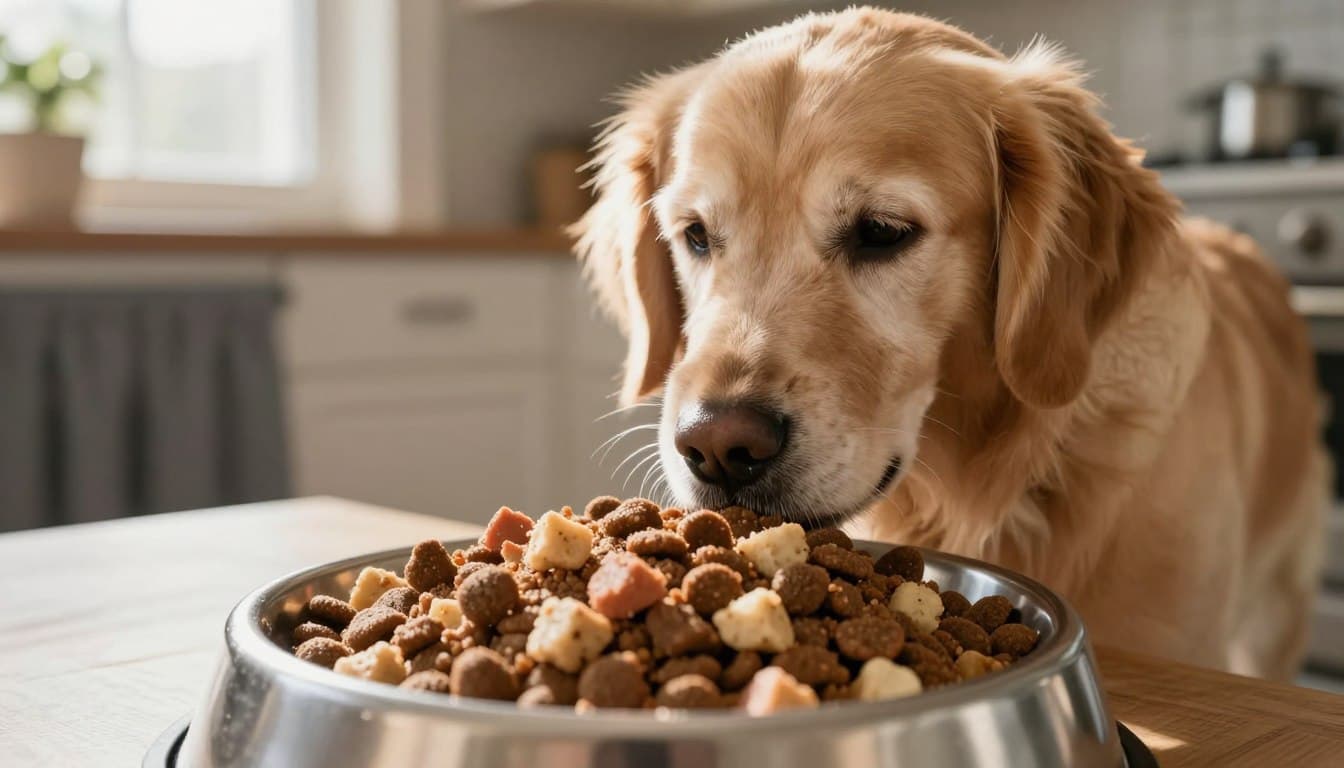
Preventing Plaque Buildup in the Absence of Crunchy Kibble
Crunchy kibble helps clean teeth, but it's not enough alone. Switching to soft food means you need to be more careful. Consistency is key to stopping tartar from building up in your senior pet's mouth.
Without crunchy food, food bits can stay on the gums longer. Rinsing your dog's mouth or giving them water after meals helps. This keeps their mouth clean all day.
Alternative Dental Care Strategies for Senior Dogs
If you're using soft dog food for senior dogs with bad teeth, there are many ways to protect their teeth. Brushing daily is the best way to remove plaque before it turns into tartar. Use a soft brush and toothpaste made for dogs to keep them safe and effective.
If brushing is hard, try dental water additives or special chews. These products kill bacteria and freshen breath without needing to chew hard. Always talk to your vet to make sure these products are right for your dog.
| Method | Frequency | Primary Benefit |
|---|---|---|
| Enzymatic Brushing | Daily | Removes plaque buildup |
| Dental Water Additives | Every refill | Reduces oral bacteria |
| Soft Dental Chews | As directed | Promotes gum health |
| Professional Cleaning | Annually | Deep periodontal care |
Common Mistakes to Avoid When Switching Diets
Choosing the best soft food for senior dogs is just the start. How you manage the switch is also key. Many pet owners cause digestive issues or weight gain by rushing the change or ignoring labels. Stay alert to ensure a smooth transition for your aging pet.
Overfeeding and Weight Management
Senior dogs often gain weight quickly if they eat too much. When switching to a new soft food, it's easy to give too much. Always check the feeding guidelines and adjust for your dog's activity level.
Watching your dog's weight is important. If they start to gain, cut back on food right away. Keeping a healthy weight helps their joints and heart. Use our guide to how much to feed your dog to confirm the right portion size.
Ignoring Hidden Fillers and Artificial Preservatives
Not all soft foods are the same. Some have ingredients that can cause problems. Look for hidden fillers like corn syrup, too much sodium, or artificial preservatives like BHA and BHT. These add nothing good and can make health issues worse in older pets.
"The quality of ingredients you provide to an aging dog directly influences their longevity and daily comfort levels. Prioritizing whole, recognizable food sources is the most effective way to support their changing physiological needs."
Here's a table to help you choose better:
| Feature | Recommended Choice | Avoid |
|---|---|---|
| Primary Protein | Named meat (e.g., Chicken, Beef) | Meat by-products or "meat meal" |
| Preservatives | Natural (e.g., Vitamin E, Rosemary) | Artificial (e.g., BHA, BHT, Ethoxyquin) |
| Fillers | Whole grains or sweet potatoes | Corn syrup, soy, or wheat gluten |
Avoiding these mistakes means your best soft food for senior dogs will help, not harm. Reading labels and measuring food carefully will improve your dog's health and happiness.
Conclusion
Good nutrition is key for your aging pet's comfort and energy. You can make a big difference by choosing the right food for their needs.
Your vet is a great help in this. They can guide you to the best food for your dog's health. This ensures your dog gets the right diet.
Choosing high-quality food and keeping their teeth clean is important. These steps help your dog enjoy their golden years. Every meal is a chance to show you care.
Choosing the right food for your senior dog is a big show of love. Watch how they react to new foods. Your care helps them stay happy and healthy with you.
FAQ
Why should I consider switching my aging pet to soft dog food for senior dogs?
As your dog gets older, their metabolism slows down. They may find it hard to digest hard textures. Soft dog food for senior dogs is easy to digest and packed with nutrients.
This food helps keep their muscle mass up with high-quality proteins. It also makes sure they're comfortable as they age.
What are the signs that my pet needs soft dog food for senior dogs with bad teeth?
Look for signs like dropping food while eating or decreased appetite. These can mean dental pain or tooth loss. Soft dog food helps prevent malnutrition and makes eating easier.
What is the difference between wet food and soft kibble dog food for seniors?
Wet food, like Blue Buffalo Homestyle Recipe, has more moisture and a strong smell. It's great for picky eaters. Soft kibble, such as Purina Pro Plan Savor, is softer but has substance.
The choice depends on your dog's dental health and moisture preference.
What specific ingredients define the best soft dog food for senior dogs?
The best soft dog food for senior dogs has highly digestible proteins for muscle support. It also has essential fiber for digestion. Look for Glucosamine and Chondroitin for joint health.
It should also have controlled sodium and calories to protect the heart and prevent weight gain.
How can I safely transition my pet to the best soft food for senior dogs?
Start by mixing a small amount of the new food into their current diet. Gradually increase the new food over seven to ten days. Watch for changes in stool and energy to ensure a smooth transition.
If I stop feeding crunchy kibble, how do I keep my senior dog's teeth clean?
Soft food doesn't clean teeth like hard kibble. Use daily brushing with pet-safe toothpaste. You can also use water additives or soft dental chews like Greenies Senior to manage plaque and tartar.
What common mistakes should I avoid when choosing a soft diet for an older dog?
Avoid overfeeding as senior dogs are less active. Soft foods can lead to obesity. Also, steer clear of foods with hidden fillers or artificial preservatives. Choose foods with real meat and vegetables instead.
Are fresh food delivery services a good option for senior canine nutrition?
Yes, services like The Farmer's Dog or Nom Nom offer fresh, soft meals. They use human-grade ingredients and are customized to your dog's needs. They're great for pets with sensitive stomachs or dental issues.
Topics
Our goal is to give you the most helpful, research-backed information possible. This content is for educational purposes only. For health concerns specific to your dog, always consult your veterinarian.
DogMealGuide Editorial Team
DogMealGuide Editorial Team provides research-backed, practical advice to help dog owners make better nutrition decisions for their pets.
This article is for educational purposes only and is not a substitute for professional veterinary advice.
Best Senior Dogs Guides
Our top expert-reviewed picks in this category