How to Start a Low Fat Dog Diet and Keep Your Dog Healthy
DogMealGuide Editorial Team
DogMealGuide Editorial Team provides research-backed, practical advice to help dog owners make better nutrition decisions for their pets.
How to Start a Low Fat Dog Diet and Keep Your Dog Healthy
Your furry friend brings endless joy to your home. Keeping them in peak physical condition requires careful attention to their nutrition. Choosing a low fat dog diet is often the most effective way to manage your pet's weight and boost their overall vitality. By making smart choices today, you protect your companion from the long-term risks of obesity.
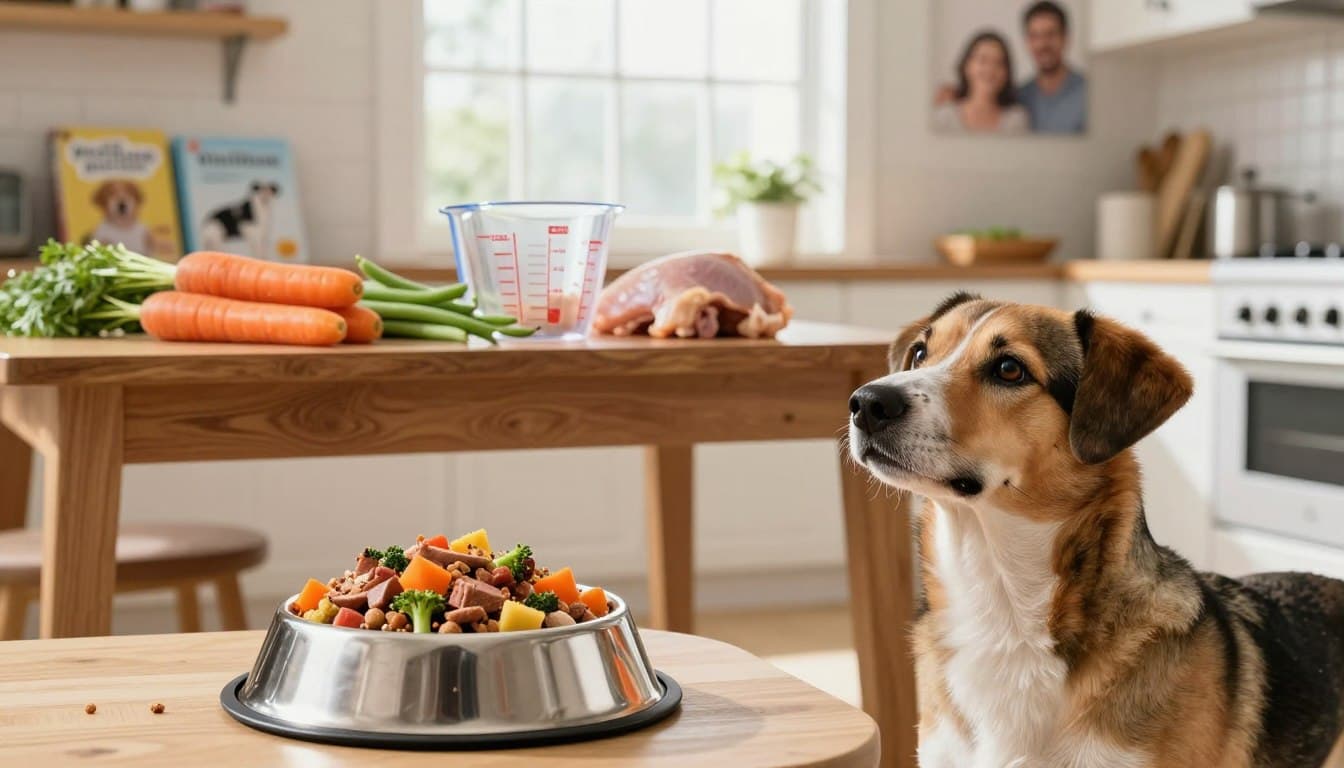
Proper nourishment serves as the foundation for a long, happy life. When you prioritize balanced meals, you directly influence your pet's energy levels and joint health across every life stage. Taking proactive steps now helps prevent future medical complications, ensuring your best friend stays active and playful for years to come.
Key Takeaways
- Weight management is essential for canine longevity and joint health.
- A balanced nutritional plan prevents obesity-related medical issues.
- Small changes in daily meals lead to significant improvements in energy.
- Proactive care helps your pet thrive through every life stage.
- Consulting with a veterinarian ensures your plan meets specific needs.
Assessing Your Dog’s Nutritional Needs
First, check your dog's health before starting a low fat dog diet. Knowing what your pet needs is key. This ensures any diet changes are safe and work well. If your dog is a senior, our guide to choosing dog food for seniors is a useful starting point.
Consulting with Your Veterinarian
Your vet is crucial for dog diets for weight loss. Have a wellness exam to talk about your dog's health. Share their current food, treats, and activities to get a personalized plan.
"Preventative care is the cornerstone of a long and happy life for your canine companion. Regular check-ups allow us to catch weight issues before they become chronic health problems."
Identifying Signs of Excess Weight
It's hard to tell if your dog is overweight. Look for signs like a missing waistline or hard-to-find ribs. These signs mean it's time to cut their calories.
Body Condition Scoring
Vets use a Body Condition Score (BCS) to check your dog. It ranges from 1 (too thin) to 9 (too fat). Aim for a score of 4 or 5, where you can feel their ribs and see a waist. Our full guide to overweight dogs explains how to score your dog safely at home and what the health risks mean.
Common Health Risks of Obesity
Extra weight is hard on your dog's body. It can lead to serious health problems. Choosing the right low fat dog diet is key to their health. Here are some common obesity-related issues in dogs.
| Health Condition | Impact on Dog | Severity Level |
|---|---|---|
| Joint Stress | Increased wear on hips and knees | High |
| Diabetes | Impaired insulin regulation | Critical |
| Heart Disease | Reduced cardiovascular efficiency | High |
| Respiratory Issues | Difficulty breathing during exercise | Moderate |
Spotting these risks early helps you choose the right dog diets for weight loss. With regular checks and vet advice, your dog can reach a healthy weight safely.
Steps to Transitioning to a Low Fat Dog Diet
Starting your dog on a healthier diet is all about their meals. Switching to dog diets for weight loss too fast can upset their stomach or make them not want to eat. A slow, careful approach keeps your pet comfortable while they get used to new food.

Gradual Food Mixing Techniques
The best way to change foods is to mix the old and new over seven to ten days. Start with 25% of the best dog food for weight loss and 75% of their current food. Then, slowly add more of the new food every few days until they only eat the new one.
This gradual change helps their digestive system adjust to new foods. If they have loose stools or gas, slow down the change by keeping the mix the same for a day or two.
Establishing a Consistent Feeding Schedule
Being consistent is key to managing weight. Feeding your dog at the same times every day helps their metabolism and keeps their hunger steady. It also makes it easier for you to keep track of how much they eat. Meal frequency matters for seniors, too — our guide to how many times a dog should eat each day lays out the options.
Managing Treats and Human Food Intake
Treats can have hidden calories that can mess up a dog diets for weight loss plan. It's important to count every snack you give them. If you give a treat, cut down their next meal to keep their calorie intake balanced. Some treats also contain dangerous ingredients, so check our list of foods dogs should never eat before offering anything new. As a rule of thumb, treats should stay under 10% of daily calories, per veterinary guidance.
Healthy Low-Calorie Alternatives
You don't have to stop giving treats to help your dog lose weight. Many dogs like crunchy, low-calorie snacks that are good for them. Try giving them:
- Green beans (steamed or raw)
- Carrot sticks
- Cucumber slices
- Apple slices (without seeds)
The Importance of Portion Control
Even with the best dog food for weight loss, controlling portions is crucial. Always use a measuring cup to avoid guessing. Precision is key to making sure your dog gets the right amount of nutrients without extra calories. For exact portion sizes by weight and activity level, see our how much to feed your dog guide.
Selecting the Best Weight Management Dog Food
Choosing the best dog food for weight loss is key to helping your pet reach their ideal shape. With so many options, it's easy to feel overwhelmed. Focus on nutritional markers to find a product that supports your dog's health and vitality.
Understanding Nutritional Labels
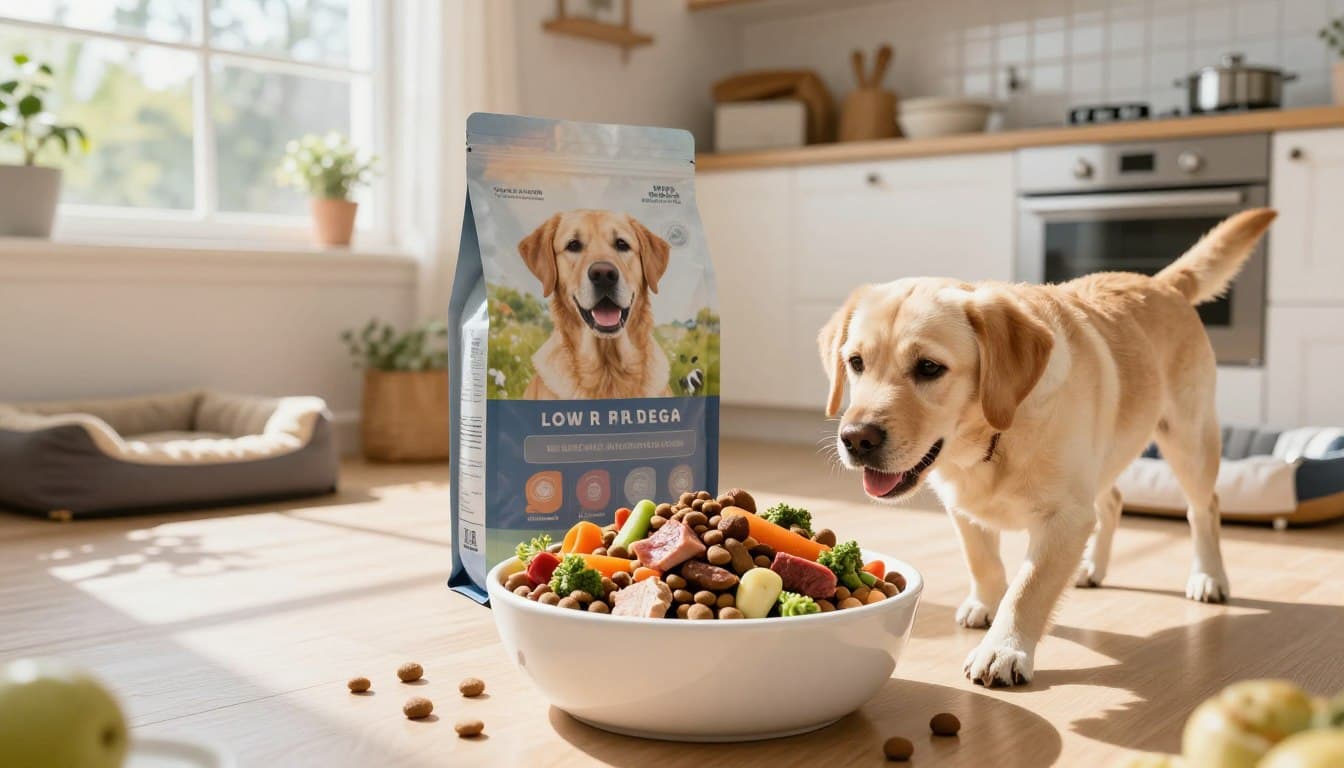
When looking at dogs weight loss food packaging, check the calorie density first. Many diets are too calorie-dense for pets needing to lose weight. Look for products that clearly state the caloric content per cup to manage portions well.
Fiber content is also crucial. High-fiber formulas make your dog feel full and satisfied between meals, reducing begging. Ensure the protein source is the first ingredient to keep your pet's muscle mass while losing fat.
Evaluating Vet Recommended Dog Food for Weight Loss
Getting professional advice is invaluable when searching for the right dog food for weight loss. A vet recommended dog food for weight loss is often researched for safety and effectiveness. These diets are balanced to provide complete nutrition while controlling energy intake.
Your vet can guide you based on your dog's breed, age, and health. They might suggest a prescription diet for metabolic issues. Relying on their advice often leads to consistent and sustainable results for your pet.
Spotlight on Hill's Science Diet Perfect Weight Dog Food
Hill's Science Diet Perfect Weight dog food is a popular choice. It's designed to help pets achieve a healthy weight with a special blend of ingredients. It provides a nutritionally complete meal that doesn't feel restrictive. We cover the Science Diet senior formulas in depth, including how they support healthy aging.
Many owners find it helps their pets maintain a healthy metabolism. It's widely available and tested, making it a reliable choice for many. It's an excellent option for those seeking a science-based approach to canine nutrition.
Comparing Canine Weight Loss Food Options
When comparing canine weight loss food products, look at key features side-by-side. The table below highlights common differences you might see while shopping for your pet.
| Feature | Standard Diet | Weight Loss Diet |
|---|---|---|
| Calorie Density | High | Low |
| Fiber Content | Moderate | High |
| Protein Source | Variable | High-Quality Lean |
| Satiety Support | Low | High |
The best choice is one your dog enjoys and fits your lifestyle. Consistency is the most important factor in any successful weight loss journey. Monitor your dog's reaction to the new food to ensure they stay happy and healthy.
Monitoring Progress and Maintaining Long-Term Health
After picking the right meal plan, keep a close eye on your pet's progress. Switching to weight management dog food is just the start. Now, you're like a coach, watching how your dog does with their new diet.
Tracking Weight Loss Milestones
Being consistent is key when using weight management food for dogs. Weigh your dog every two weeks to check if they're losing weight safely. Keeping a logbook or spreadsheet helps you see their progress.
Look for more than just weight loss. Notice if your dog has more energy or a slimmer waist. These signs show your weight control dog food is working well.
Adjusting Caloric Intake Based on Activity Levels
Every dog's metabolism changes with their activity level. If your dog is very active, they might need more food. But on quiet days, they might need less.
Always talk to your vet before changing food amounts. They can help adjust your weight management dog food based on your dog's health. Small changes help keep your pet full while losing weight.
Incorporating Exercise into Your Dog’s Routine
Exercise is a great match for your weight control dog food plan. Start with easy activities like short walks or backyard fetch. These burn calories without hurting your dog's joints.
Focus on regular, short sessions rather than one long workout. This keeps your dog happy and builds their endurance while they enjoy their weight management food for dogs.
| Activity Level | Daily Exercise Goal | Caloric Adjustment |
|---|---|---|
| Sedentary | 15-20 Minutes | Baseline Portion |
| Moderate | 30-45 Minutes | Standard Increase |
| Highly Active | 60+ Minutes | Maximum Portion |
Conclusion
Your dedication to your dog's health strengthens your bond every day. It takes patience and a steady approach to achieve the right body condition. You have the power to transform your pet's life with simple, daily actions.
Choosing the right weight management dog food is key to their wellness journey. Brands like Hill's Science Diet provide solid options to help you reach your goals. See these food choices as an investment in your dog's long, healthy life.
Monitor your dog's energy and physical changes closely. Even small changes in food portions or exercise can make a big difference over time. If you need help, don't hesitate to contact your local vet.
Choosing the best weight management dog food is just the beginning of a happy life for your pet. Every good choice you make today sets the stage for years of happiness and fun. Begin your journey to a healthier pet today.
FAQ
How do I know if it is time to start my pet on a specific dog weight loss food?
Start by checking your dog's body condition at home. Look for a visible waistline and feel their ribs. If you can't feel the ribs easily, it's time for weight loss food. Always check with your vet to confirm the need for weight loss food and avoid health issues like joint pain or diabetes.
What makes Hill's Science Diet Perfect Weight dog food a top choice for pet owners?
This food is a top vet-recommended choice for weight loss. It has a clinically proven blend to help maintain a healthy weight. It helps your dog burn calories and keep lean muscle, offering visible results in weeks.
How should I transition my pet to the best dog food for weight loss without causing an upset stomach?
Start by mixing 25% new food with 75% old food for a few days. Gradually increase the new food over a week. This helps your dog's digestive system adjust to the new diet's higher fiber and lower fat.
Can I still give my pet treats while they are on dog diets for weight loss?
Yes, but choose low-calorie treats like green beans or carrots. Treats should not make up more than 10% of your dog's daily calories. This keeps the weight loss food effective.
How do I adjust my dog's caloric intake as they become more active?
Adjust calories based on increased activity. If your dog loses weight too fast or seems tired, talk to your vet. The goal is balanced nutrition that supports movement and weight loss.
Why is portion control more important than just buying weight management food for dogs?
Even the best food can lead to weight gain if overfed. Use a measuring cup or scale to follow guidelines for your dog's target weight. Accurate portions are key to successful weight loss diets.
Topics
Our goal is to give you the most helpful, research-backed information possible. This content is for educational purposes only. For health concerns specific to your dog, always consult your veterinarian.
DogMealGuide Editorial Team
DogMealGuide Editorial Team provides research-backed, practical advice to help dog owners make better nutrition decisions for their pets.
This article is for educational purposes only and is not a substitute for professional veterinary advice.
Best Senior Dogs Guides
Our top expert-reviewed picks in this category