Foods Dogs Should Never Eat: Complete Toxic Food List (2026)
DogMealGuide Editorial Team
DogMealGuide Editorial Team provides research-backed, practical advice to help dog owners make better nutrition decisions for their pets.
Foods Dogs Should Never Eat: Complete Toxic Food List
Dogs will eat almost anything within reach — a dropped grape, a piece of sugarless gum, a bite of your onion-heavy leftovers. Most owners know chocolate is a problem, but the full list of toxic foods is much longer, and some of the most dangerous items are everyday kitchen staples.
This guide covers every significant food hazard, explains exactly why each one is dangerous, describes the symptoms to watch for, and tells you what to do if your dog gets into something they shouldn't.
Key Takeaways
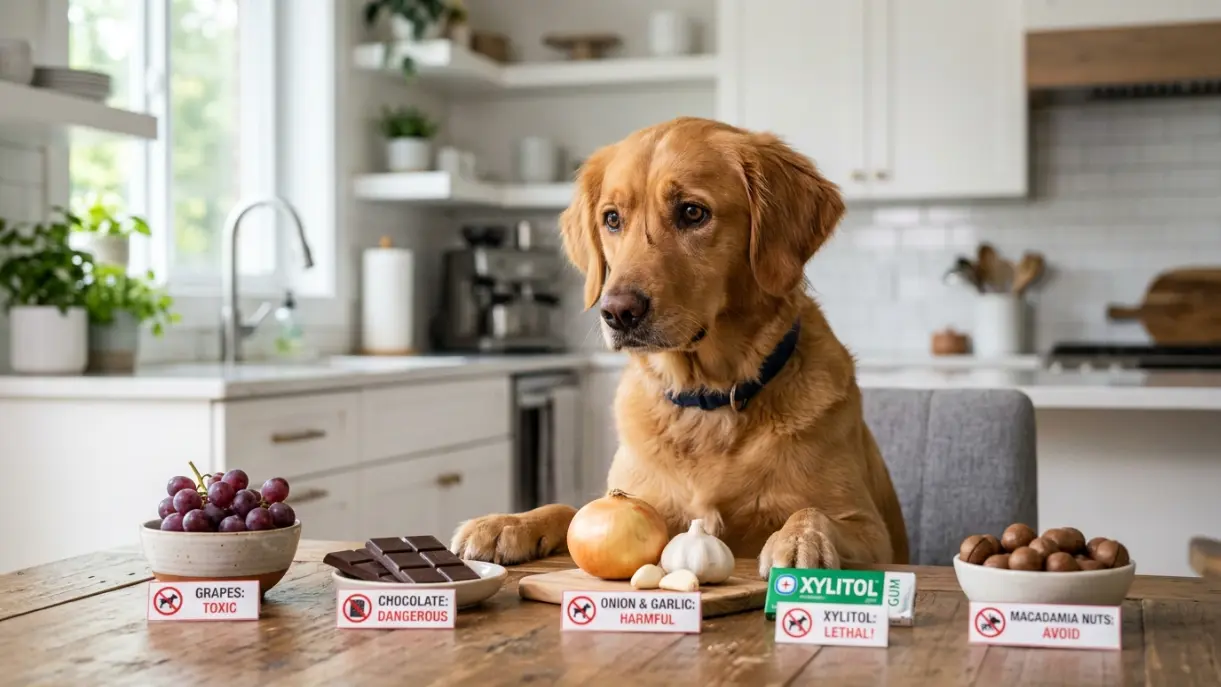
- Grapes and raisins can cause sudden kidney failure — even in small amounts.
- The entire allium family (onions, garlic, leeks, chives) destroys red blood cells.
- Xylitol (in sugar-free gum, peanut butter, and hundreds of other products) causes life-threatening hypoglycemia and liver failure.
- Chocolate toxicity depends on the type and amount — dark chocolate and baking chocolate are the most dangerous.
- If your dog eats something toxic, call the ASPCA Poison Control (888-426-4435) or your vet immediately — don't wait for symptoms.
Emergency Numbers — Save These Now
Before anything else, save these contacts:
- ASPCA Animal Poison Control Center: 888-426-4435 (24/7, fee may apply)
- Pet Poison Helpline: 855-764-7661 (24/7, fee may apply)
- Your local emergency vet: find and save this before you need it
Time matters with poisoning. Many toxins are far easier to treat in the first hour than after absorption is complete.
The Most Dangerous Foods for Dogs
1. Grapes and Raisins
Danger level: Extreme
Grapes and raisins can cause acute kidney failure in dogs. What makes them uniquely terrifying is the unpredictability — some dogs eat a handful with no effect; others develop kidney failure after just one or two grapes. The toxic compound hasn't been conclusively identified, which means there is no safe amount.
Raisins are even more dangerous than fresh grapes because the toxin is concentrated.
Also includes: currants, sultanas, grape juice, foods containing raisins (trail mix, raisin bread, fruit cake)
Symptoms (6–12 hours after ingestion):
- Vomiting and diarrhea
- Lethargy and weakness
- Loss of appetite
- Decreased or absent urination (sign of kidney shutdown)
- Abdominal pain
What to do: Treat as an emergency regardless of amount eaten. Call poison control or go to an emergency vet immediately.
2. Xylitol
Danger level: Extreme
Xylitol is an artificial sweetener found in hundreds of human products. In dogs, it causes a massive, rapid insulin release — dropping blood sugar to life-threatening levels within 30 minutes. At higher doses, it also causes acute liver failure.
Common sources of xylitol:
- Sugar-free chewing gum (most brands use xylitol)
- Some peanut butters — always check the label before giving peanut butter to dogs
- Sugar-free candy and mints
- Some protein bars and baked goods
- Certain toothpastes and mouthwashes
- Some medications and vitamins
- Some yogurts and condiments
Symptoms (within 30–60 minutes):
- Sudden vomiting
- Weakness and stumbling
- Tremors and seizures
- Collapse
- Jaundice (yellowing of gums/eyes) — indicates liver involvement
What to do: This is a true emergency. Call poison control and go to a vet immediately. Bring the product label so the vet knows the dose of xylitol ingested.
3. Chocolate
Danger level: High (dose-dependent)
Chocolate contains theobromine and caffeine, both of which are methylxanthines that dogs metabolize far more slowly than humans. This allows toxic levels to accumulate.
Toxicity depends heavily on the type of chocolate:
| Chocolate Type | Theobromine per oz | Risk |
|---|---|---|
| Baking chocolate | 390–450 mg | Extreme |
| Dark chocolate (70%+) | 150–160 mg | High |
| Milk chocolate | 44–60 mg | Moderate |
| White chocolate | 0.25 mg | Very low |
| Hot cocoa powder | 100–200 mg/oz | High |
A toxic dose of theobromine for dogs is approximately 20 mg/kg (mild symptoms) to 40+ mg/kg (severe/potentially fatal). A 20 lb (9 kg) dog could show serious symptoms from just 1 oz of baking chocolate.
Symptoms (6–12 hours after ingestion):
- Vomiting and diarrhea
- Excessive thirst and urination
- Restlessness, hyperactivity
- Rapid or irregular heartbeat
- Muscle tremors and seizures
What to do: Call poison control with the type of chocolate, estimated amount, and your dog's weight. Mild milk chocolate ingestion in a large dog may only require monitoring; any dark or baking chocolate ingestion requires vet contact.
4. Onions, Garlic, Leeks, and Chives
Danger level: High
The entire allium family contains N-propyl disulfide and other compounds that damage red blood cells, causing hemolytic anemia — a condition where red blood cells rupture faster than the body can replace them. This applies to all forms: raw, cooked, powdered, and dehydrated.
Garlic is approximately 5× more toxic than onions by weight. Onion powder is far more concentrated than fresh onion and is found in many baby foods, gravies, and seasonings.
Toxic dose: As little as 0.5% of a dog's body weight in onions can cause toxicity. For a 50 lb dog, that's 4 oz of raw onion — less than one medium onion.
Symptoms (may be delayed 3–5 days):
- Pale or yellowish gums
- Weakness and lethargy
- Reduced appetite
- Rapid breathing
- Reddish or brownish urine (hemoglobin in urine)
- Fainting
What to do: Even if your dog seems fine after eating onions or garlic, contact your vet. Symptoms of anemia can be delayed and worsen significantly before they become obvious.
5. Macadamia Nuts
Danger level: High
The toxic mechanism in macadamia nuts remains unknown, but even small amounts cause a distinctive and distressing syndrome in dogs.
Toxic dose: As few as 2.4 g per kg of body weight — roughly 6 nuts for a 20 lb dog.
Symptoms (12–24 hours after ingestion):
- Weakness, especially in the hind legs
- Inability to walk or stand
- Vomiting
- Tremors
- Fever
The good news: macadamia nut toxicity is rarely fatal on its own, though dogs that eat chocolate-covered macadamia nuts face a combined risk from both toxins.
What to do: Call your vet. Supportive care (IV fluids, anti-nausea medication) typically resolves symptoms within 48 hours.
6. Alcohol
Danger level: High
Dogs have no tolerance to ethanol. Even small amounts cause rapid intoxication, and the margin between intoxication and fatal respiratory depression is very narrow. This includes alcoholic beverages, raw bread dough (which produces alcohol as yeast ferments), and some mouthwashes.
Raw bread dough is particularly dangerous — the warm, moist environment of a dog's stomach is ideal for yeast fermentation. The dough also physically expands, causing potentially fatal bloat alongside alcohol poisoning.
Symptoms:
- Disorientation and stumbling
- Vomiting
- Dangerously low blood sugar (especially in small dogs)
- Breathing difficulties
- Seizures and coma
What to do: Emergency vet care required for any significant ingestion.
7. Caffeine
Danger level: High
Like theobromine in chocolate, caffeine is a methylxanthine that dogs process poorly. Sources include coffee, tea, energy drinks, some medications, and coffee grounds.
Coffee grounds and tea bags are particularly risky because they're highly concentrated and dogs may find them in the trash.
Symptoms: Restlessness, rapid heart rate, muscle tremors, seizures — similar to chocolate toxicity.
8. Avocado
Danger level: Moderate (depends on part)
Avocado contains persin, a fungicidal toxin that causes vomiting and diarrhea in dogs. The fruit flesh has relatively low persin concentration, but the pit, skin, and leaves have much higher levels.
The avocado pit also poses a severe choking and intestinal obstruction risk.
What to do: Small amounts of avocado flesh may only cause mild GI upset. Contact your vet if your dog ate the pit or significant amounts of skin/leaves.
9. Cooked Bones
Danger level: Moderate to High
Cooked bones — especially poultry bones — become brittle and splinter into sharp shards when chewed. These can:
- Puncture or lacerate the mouth, throat, esophagus, stomach, or intestines
- Cause choking or airway obstruction
- Create dangerous intestinal perforations requiring emergency surgery
Raw bones are generally safer for most dogs, but still carry risks and should only be given under supervision. Always avoid: chicken wings (cooked), rib bones (cooked), fish bones, and pork chop bones.
What to do: If your dog ate splintered cooked bone and shows signs of choking, retching, abdominal pain, or bloody stool, seek emergency care immediately.
10. Nutmeg
Danger level: Moderate
Nutmeg contains myristicin, a compound that causes hallucinations, disorientation, increased heart rate, and seizures in dogs. Small amounts (as in a bite of eggnog or spiced cookie) are unlikely to cause serious harm, but larger quantities can be dangerous.
11. Raw Yeast Dough
Danger level: High
As covered under alcohol — raw dough containing active yeast ferments in the warm stomach environment, producing both ethanol and carbon dioxide. The gas causes painful bloat; the alcohol causes ethanol toxicity. Both can be life-threatening.
12. Fruit Pits and Apple Seeds
Danger level: Moderate
Cherry pits, peach pits, apricot pits, and plum pits contain amygdalin, which metabolizes to hydrogen cyanide when crushed or chewed. Apple seeds contain the same compound in smaller amounts.
The fruit flesh of cherries, peaches, apricots, and plums is generally safe — it's only the pits and seeds that are toxic.
Pits also pose significant choking and intestinal blockage risks.
13. Salt and Salty Foods
Danger level: Moderate (dose-dependent)
Excessive salt causes hypernatremia (sodium ion poisoning) — pulling water from cells and causing brain and neurological damage. At-risk scenarios include dogs eating large quantities of chips, pretzels, popcorn, or accidentally drinking seawater.
Symptoms of salt toxicity: Excessive thirst and urination, vomiting, diarrhea, tremors, seizures, coma.
14. Dairy Products
Danger level: Low (for most dogs)
Dogs lack significant quantities of lactase — the enzyme needed to digest lactose. Most adult dogs are lactose intolerant to varying degrees. Dairy causes GI upset, gas, diarrhea, and vomiting rather than true toxicity, but it's still worth avoiding.
Plain, low-fat yogurt and hard cheeses (which contain less lactose) are tolerated by some dogs in small amounts.
15. Raw Salmon and Raw Pacific Fish
Danger level: High (in Pacific Northwest)
Raw salmon and other Pacific fish can carry a parasite called Neorickettsia helminthoeca, which causes "salmon poisoning disease" — a potentially fatal bacterial infection with a high mortality rate if untreated. This is primarily a risk in the Pacific Northwest of North America.
Symptoms include high fever, vomiting, bloody diarrhea, and swollen lymph nodes. It's treatable with antibiotics if caught early.
Salmon is safe for dogs when fully cooked.
Foods That Are Surprisingly Safe (in Moderation)
These are commonly believed to be dangerous but are generally safe when given appropriately:
| Food | Notes |
|---|---|
| Plain cooked chicken | Excellent protein source, fully safe |
| Carrots | Great low-calorie treat, good for teeth |
| Blueberries | Antioxidant-rich, safe in small amounts |
| Watermelon (seedless) | Hydrating, remove rind and seeds |
| Plain pumpkin | Good for digestion, no xylitol |
| Cooked plain rice | Fine as a bland diet addition |
| Cooked broccoli | Safe in small amounts; excess causes gas |
| Peanut butter | Safe if it does NOT contain xylitol — always check |
| Bananas | Safe in small amounts; high in sugar |
| Plain cooked eggs | Excellent nutrition source |
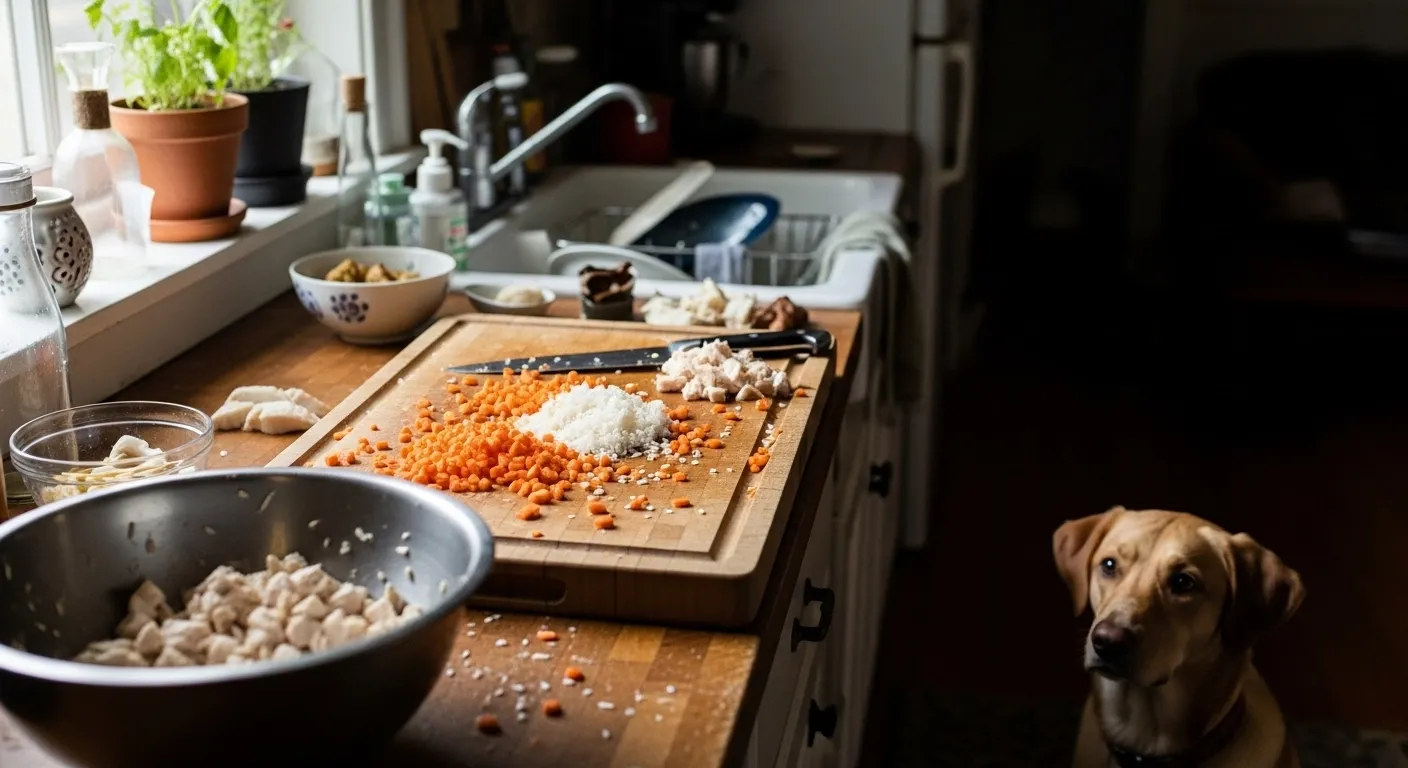
Most of the safe options above double as healthy treats or recovery foods. For vet-approved fruit and vegetable choices with serving sizes, see our guide to vegetables dogs can eat. And when your dog has an upset stomach, plain boiled chicken and rice form the core of a safe bland diet — our guide walks you through it step by step.
What to Do If Your Dog Eats Something Toxic
Step 1: Stay calm and identify what was eaten
If possible, bring the packaging with you. The vet will need to know the product name, ingredients, and how much your dog consumed.
Step 2: Call before you act
Contact ASPCA Poison Control (888-426-4435) or your vet before inducing vomiting. Some toxins are more dangerous coming back up than staying down. Inducing vomiting for corrosives (batteries, cleaning products) or certain medications can cause additional injury. For a quick reference on everyday kitchen hazards, the ASPCA maintains a list of people foods to avoid feeding pets.
Step 3: Do not induce vomiting unless instructed
Hydrogen peroxide (3%) is sometimes used to induce vomiting in dogs, but only under vet instruction and only in specific situations. Do not attempt this without professional guidance.
Step 4: Get to a vet quickly
For the most dangerous toxins — xylitol, grapes, antifreeze, certain medications — treatment in the first 30–60 minutes is far more effective than treatment hours later. Don't wait to see if symptoms develop.
Step 5: Monitor closely
For lower-risk ingestions where vomiting isn't recommended, monitor for symptoms over 24–48 hours and call your vet if anything develops. Knowing how the digestive system processes food can help you judge which symptoms deserve a vet call — our guide to dog digestion explains the red flags.
Frequently Asked Questions
My dog ate one grape — do I need to go to the vet? Yes. Grape toxicity is unpredictable and there is no known safe amount. One grape has caused kidney failure in some dogs. Call poison control or your vet immediately.
Is peanut butter safe for dogs? Plain peanut butter without xylitol is safe in moderation. However, many brands — including some marketed as "natural" or "sugar-free" — now use xylitol. Always read the ingredient label before giving any peanut butter to your dog.
My dog ate a small piece of onion in my leftovers. Should I worry? A very small amount is unlikely to cause acute toxicity in a large dog, but allium toxicity is cumulative — repeated small exposures add up. Contact your vet, describe exactly how much was eaten and your dog's weight, and monitor for symptoms like pale gums or weakness over the next several days.
Can dogs eat cheese? Most dogs can tolerate small amounts of hard, low-lactose cheeses like cheddar or mozzarella. Cheese is often used as a high-value training treat. Avoid large amounts and don't give to dogs with pancreatitis or known lactose intolerance.
Is it OK to give my dog table scraps? Occasionally and in small amounts, plain cooked meats and vegetables are fine. The danger lies in shared dishes seasoned with onion, garlic, or other alliums — and in the calorie creep from regular table scraps. Make it a rule never to share anything from a dish that contains onion, garlic, leeks, or chives in any form.
What's the most dangerous food for dogs? Xylitol and grapes/raisins are often considered the most acutely dangerous because a small amount can be fatal, the toxicity is unpredictable, and symptoms can onset rapidly. Baking chocolate and certain medications round out the top tier.
Quick Reference: Toxicity Summary
| Food | Toxicity Level | Key Risk |
|---|---|---|
| Xylitol | Extreme | Hypoglycemia, liver failure |
| Grapes / Raisins | Extreme | Kidney failure |
| Chocolate (dark/baking) | High | Heart arrhythmia, seizures |
| Onions / Garlic | High | Hemolytic anemia |
| Macadamia nuts | High | Neurological symptoms |
| Alcohol / Raw dough | High | CNS depression, bloat |
| Avocado pit/skin | Moderate–High | Persin toxicity, obstruction |
| Cooked bones | Moderate–High | Laceration, obstruction |
| Raw Pacific salmon | High | Salmon poisoning disease |
| Nutmeg | Moderate | Hallucinations, seizures |
| Salt (large amounts) | Moderate | Hypernatremia |
| Fruit pits | Moderate | Cyanide, obstruction |
| Dairy | Low | GI upset |
The Bottom Line
Most food emergencies are preventable with a few simple habits: keep toxic foods well out of reach, never leave plates unattended, check every ingredient label before sharing human food, and train a solid "leave it" command.
The most important thing to know is who to call. Save the ASPCA Poison Control number (888-426-4435) in your phone right now — and know where your nearest 24-hour emergency vet is before you ever need it.
Topics
Our goal is to give you the most helpful, research-backed information possible. This content is for educational purposes only. For health concerns specific to your dog, always consult your veterinarian.
DogMealGuide Editorial Team
DogMealGuide Editorial Team provides research-backed, practical advice to help dog owners make better nutrition decisions for their pets.
This article is for educational purposes only and is not a substitute for professional veterinary advice.
Best Dog Safety Guides
Our top expert-reviewed picks in this category