How Much Food Should I Feed My Dog? Feeding Guide
DogMealGuide Editorial Team
DogMealGuide Editorial Team provides research-backed, practical advice to help dog owners make better nutrition decisions for their pets.
How Much Food Should I Feed My Dog to Keep Them Healthy
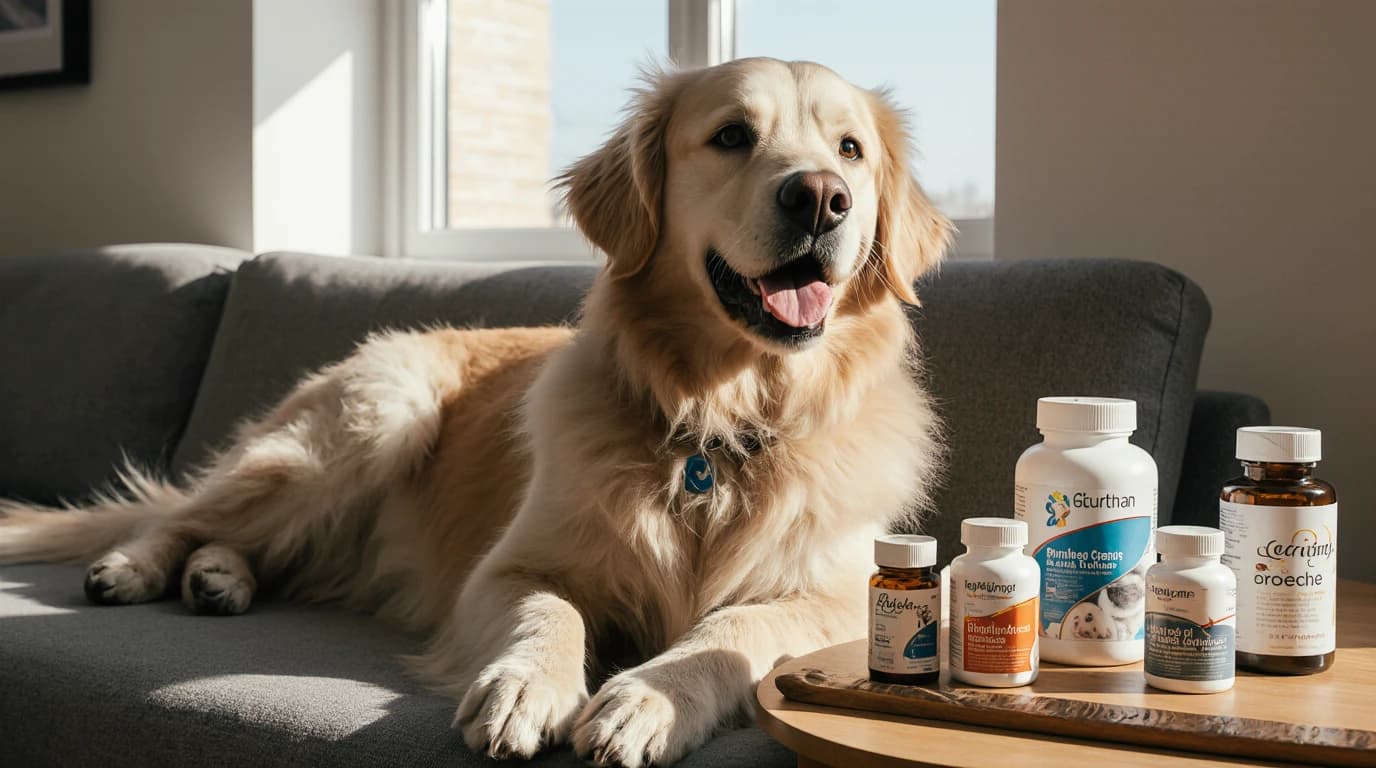
Feeding your dog right is key to a happy, healthy life. Many wonder how much food should i feed my dog to keep them at the right weight and energy. Since every dog is different, there's no one-size-fits-all answer.
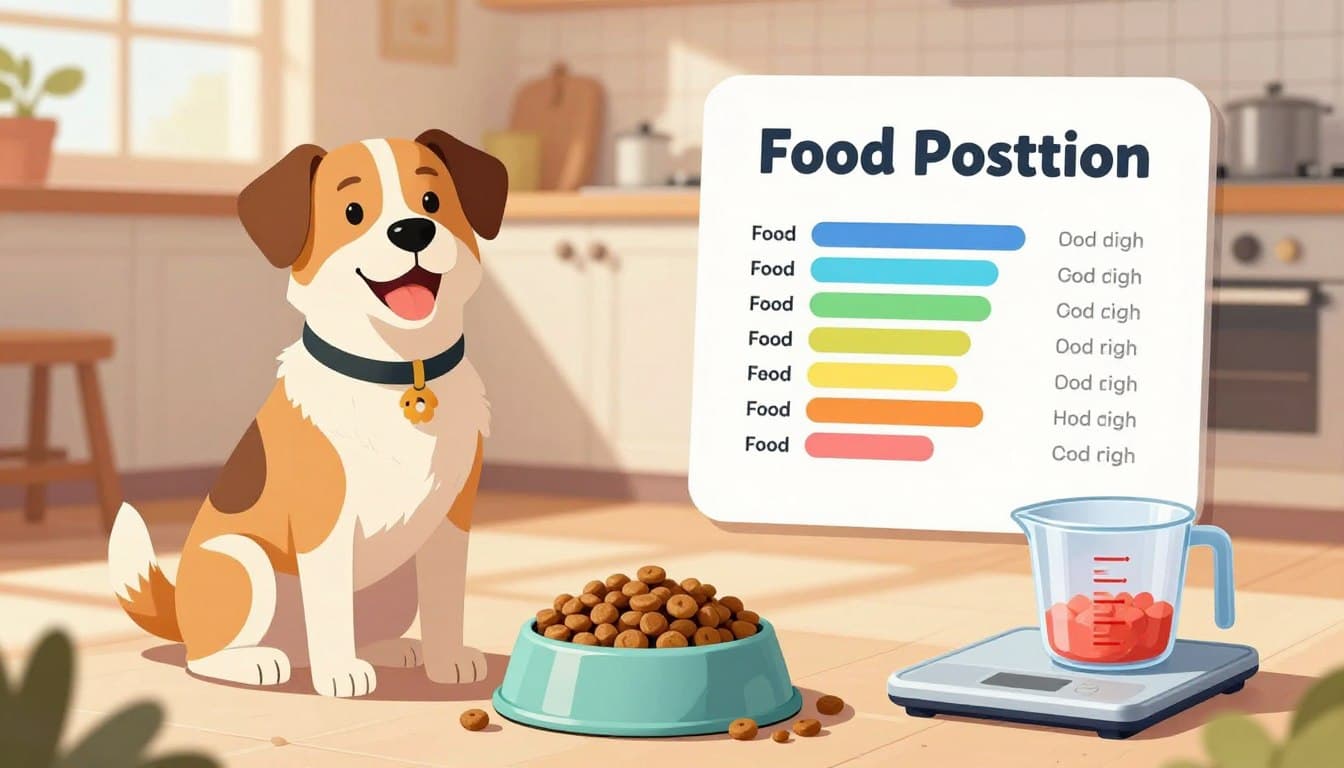
Your dog's needs depend on their breed, age, and how active they are. Establishing a balanced diet is crucial to avoid obesity and serious health issues later.
Learning about your dog's nutritional needs helps you make better choices. This guide will help you understand how to keep your dog healthy and happy.
Key Takeaways
- Individual caloric needs vary based on age, breed, and metabolism.
- Monitoring your pet's body condition score helps prevent obesity.
- Activity levels dictate the necessary energy density of daily meals.
- Consulting a veterinarian provides a tailored plan for your specific pet.
- Consistent portion control is essential for long-term health and vitality.
Understanding Canine Nutritional Needs
Understanding dog nutrition can be tough without a clear guide. Dogs need a mix of proteins, fats, carbs, and vitamins. These pet nutrition guidelines are a starting point, not a strict rule for every dog.
Every dog is different, with needs that change as they grow. A general feeding guide for dogs is helpful, but your pet's health and lifestyle matter most. Knowing the basics helps you choose the right food for them.
Factors Influencing Your Dog's Diet
Several things affect how much food your dog needs. Age and life stage are key, as puppies need more energy than older dogs. Breed size and metabolism also play a role in how calories are used.
How active your dog is is also important. Dogs that are always on the move burn more calories than those that are not. Adjusting their food based on their activity level is crucial.
Reading Pet Food Labels for Serving Sizes
Looking at pet food labels, you'll see suggested recommended dog food portions. These are based on average dog sizes and activity levels. But, these are just starting points for the average dog.
Remember, these guidelines don't consider your dog's unique metabolism or treats. Always watch your dog's body condition to adjust their food as needed. If they gain or lose weight, change their portion size to keep them healthy.
How Much Food Should I Feed My Dog Based on Life Stage
Feeding your dog the right amount changes as they grow. From puppyhood to old age, their needs shift. Proper nourishment is key for a long, happy life.
Feeding Guidelines for Growing Puppies
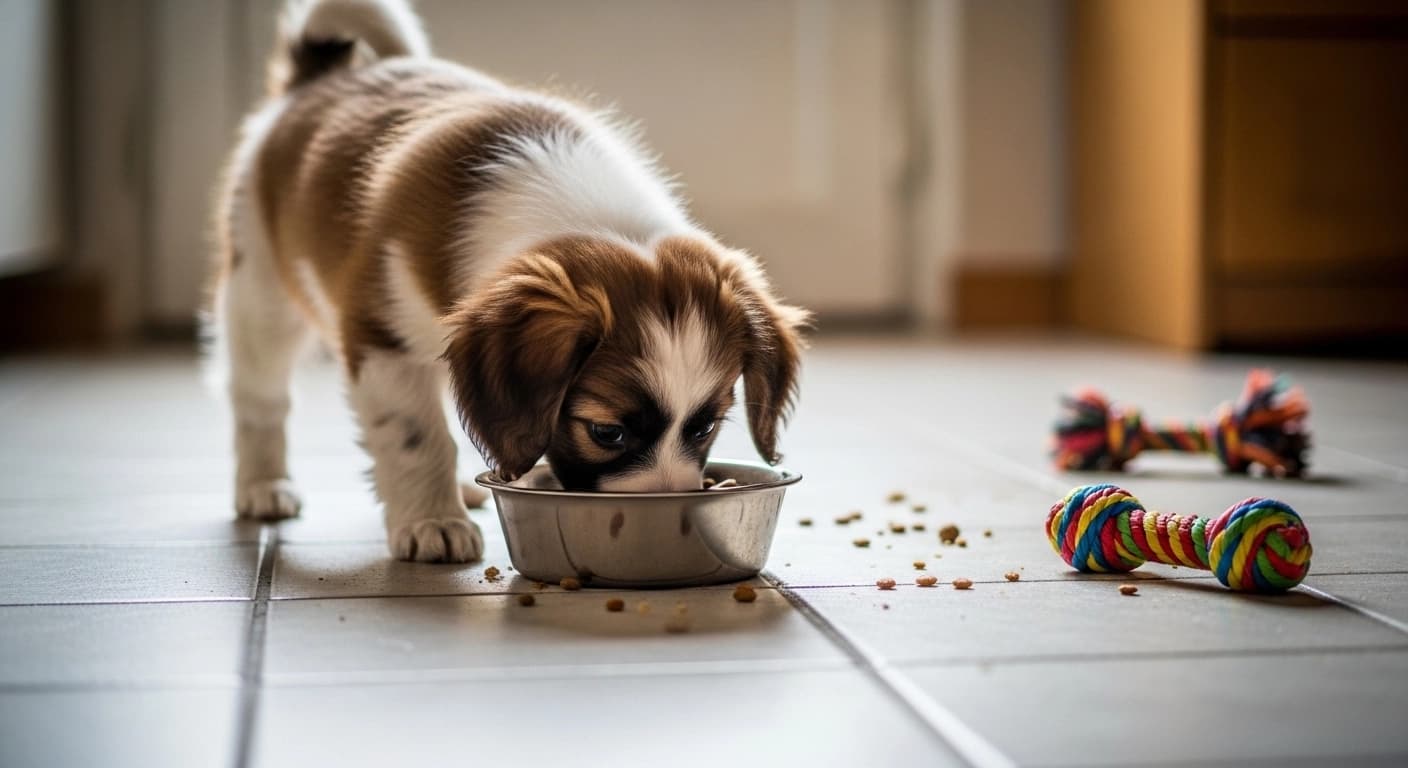
Puppies need a lot of food to grow fast. But, too much can make them too heavy. It's best to feed them small meals all day to keep their energy up.
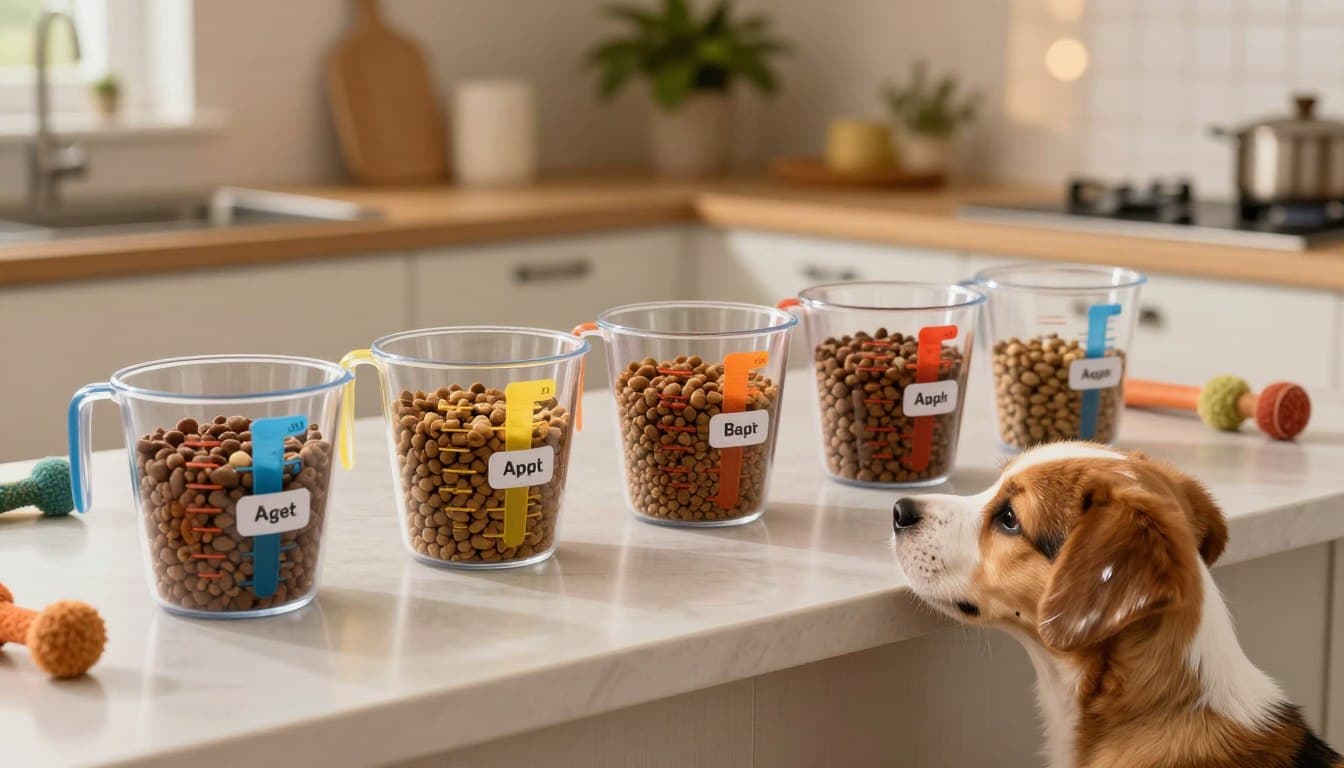
Talking to your vet is the best way to figure out how much food your puppy needs. Big breeds need to grow slowly to avoid joint problems. Choose nutrient-dense formulas made for growing puppies.
Adjusting Portions for Adult Dogs
When your dog grows up, they don't need as much food. They should switch to an adult diet to avoid getting too fat. A feeding chart for dogs can help you see these changes.
Watching your dog's body condition is more important than just following food amounts. If they seem less active, you might need to give them a bit less food. Consistency is key for keeping your adult dog at a healthy weight.
Special Dietary Considerations for Senior Dogs
As dogs get older, they need fewer calories. They might also lose muscle or have less appetite. It's important to notice these changes.
Senior dogs often do well on diets with joint support or more fiber. A feeding chart for dogs is still useful, but adjust portions based on their activity level. Prioritizing quality ingredients helps keep them comfortable in their senior years. Choosing the right senior formula takes a few extra steps — our guide to dog food for seniors walks through them.
Calculating Daily Caloric Requirements
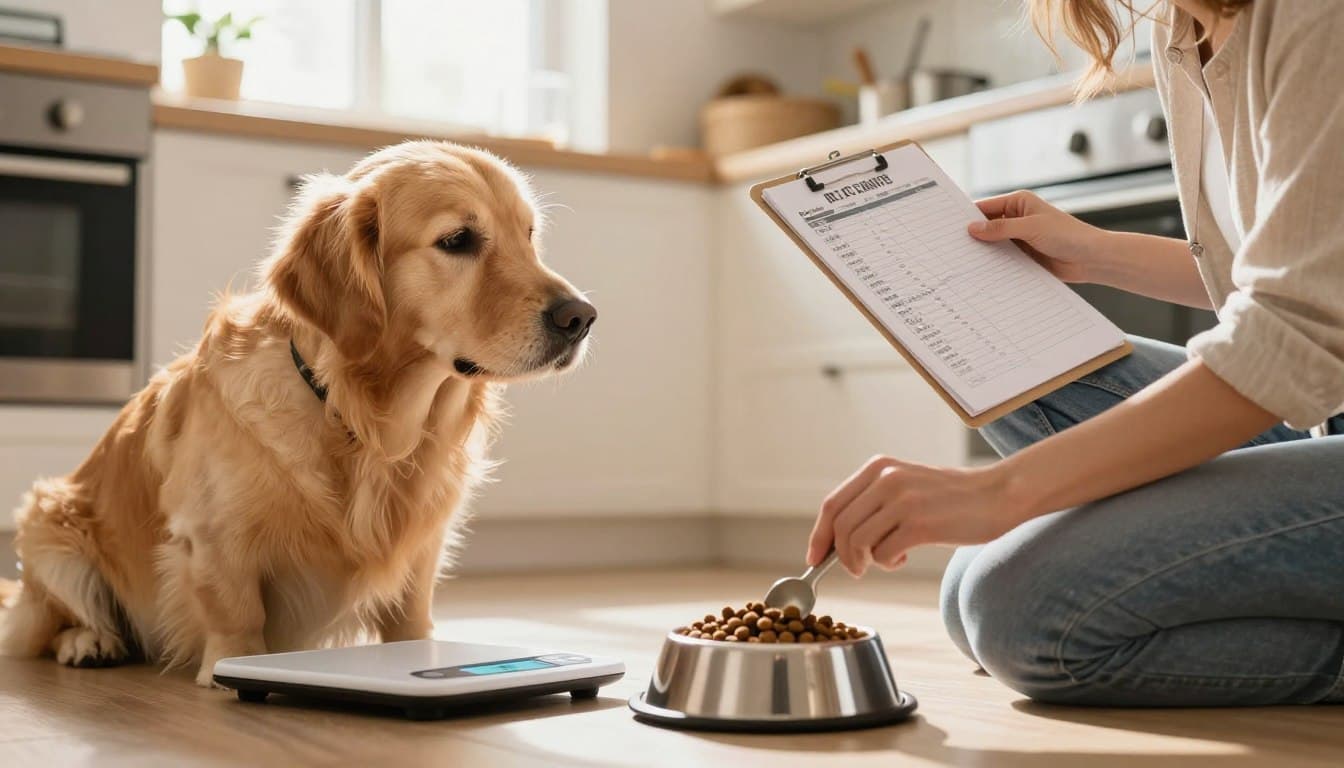
Feeding your dog right starts with knowing their daily energy needs. Many owners face challenges figuring out how much food should i feed my dog. They often rely on generic charts from food packaging. A more precise method ensures your pet gets the right amount of fuel to stay healthy.
Determining Your Dog's Resting Energy Requirement
To figure out calculating dog food serving size, start with the Resting Energy Requirement (RER). This is the energy your dog uses just to exist in a comfortable environment. The formula is 70 times your dog's weight in kilograms to the power of 0.75 — the standard method the Merck Veterinary Manual uses to estimate resting daily needs.
Consistency is key when weighing your dog. This ensures your calculations are correct. After finding this number, adjust it for your dog's lifestyle.
Accounting for Activity Levels and Metabolism
Your dog's energy needs are more than just their resting requirement. You need to multiply the RER by a factor based on their life stage, neuter status, and activity level. This accounts for calories burned during exercise and play.
Low-Activity vs. High-Performance Dogs
A low-activity dog needs less food than a high-energy dog. For example, a sedentary adult dog might need a multiplier of 1.2 to 1.4. On the other hand, a dog that's very active, like in agility or field work, might need a multiplier of 2.0 or more.
Knowing these details helps you confidently decide how much food should i feed my dog. By calculating dog food serving size with these specific numbers, you avoid overfeeding or underfeeding. Always watch your dog's body condition, as these formulas are just a starting point.
Establishing a Consistent Dog Feeding Schedule
Creating a reliable routine is key for your dog's health and happiness. Feeding them at set times helps control their metabolism and makes training easier. A regular schedule makes your dog feel secure and keeps their energy stable all day.
Determining the Number of Meals Per Day
How often a dog eats depends on their age, breed, and how active they are. Most adult dogs do well with two meals a day. This keeps their blood sugar steady. Puppies, on the other hand, need to eat more often to grow fast and avoid low blood sugar. For a full breakdown of feeding frequency by age and activity, see our guide to how many times a dog should eat.
Talking to your vet is the best way to figure out the right schedule for your dog. Consistency is key. Try to feed them at the same times every day. This helps your dog know when to eat and makes training easier for you.
Benefits of Scheduled Feeding Over Free-Feeding
Many people wonder if leaving food out all day is good. While it might seem easy, a set dog feeding schedule has many benefits. It helps with weight control and lets you notice if your dog is sick by changes in appetite.
Feeding on a schedule also stops your dog from eating too much. By taking the bowl away after a while, you encourage them to eat their food quickly. This makes it easier to manage their behavior and use meals as rewards for training.
Managing Feeding Times for Digestion
When you feed your dog, the timing is important for their stomach. Feeding too close to exercise can cause bloat, a serious issue. It's best to wait at least an hour before and after exercise.
Spreading out your dog's food helps their stomach digest better. This way, they can process nutrients without getting overwhelmed. Prioritizing a steady rhythm leads to better digestion and a happier, healthier dog.
Incorporating Human Foods and Treats Safely
Sharing snacks with your dog can strengthen your bond. But, it's important to know what's safe. Many pet owners wonder, what human food can dogs have without upsetting their diet? Choosing the right treats can give your pet healthy rewards.
Safe Human Foods for Canine Consumption
For a healthy snack, pick whole, unprocessed foods. Many foods dogs can eat add vitamins and minerals to their meals.
Here are some safe options to add in small amounts:
- Plain cooked chicken or turkey: Make sure it's skinless and free of seasonings or onions.
- Carrots: They're good for your dog's teeth and offer a nice crunch.
- Blueberries: Full of antioxidants, they're a great, small treat.
- Green beans: Low in calories and high in fiber, they help with weight control.
Identifying Toxic Foods to Avoid
Some foods are safe, but others are very dangerous. You must avoid giving your dog foods with these ingredients:
- Grapes and raisins: They can cause sudden kidney failure.
- Chocolate: It has theobromine, which is toxic to dogs.
- Onions, garlic, and chives: They can harm your dog's red blood cells.
- Xylitol: Found in sugar-free gum and peanut butter, it's highly toxic.
For the complete list of dangerous ingredients, check our guide to foods dogs should never eat.
The Ten Percent Rule for Treats
Even healthy treats need balance to avoid obesity. Vets suggest the ten percent rule for treats.
This rule means treats should not be more than ten percent of your dog's daily calories. This way, your dog gets most of their nutrition from a balanced diet. Always adjust their main meal portions if you've given extra treats to keep them healthy.
Monitoring Your Dog’s Weight and Adjusting Portions
Keeping your dog at a healthy weight is all about watching their meals closely. Simple canine diet tips can help your pet stay in shape. Regular checks help spot weight changes early, preventing health problems.
Performing a Body Condition Score Assessment
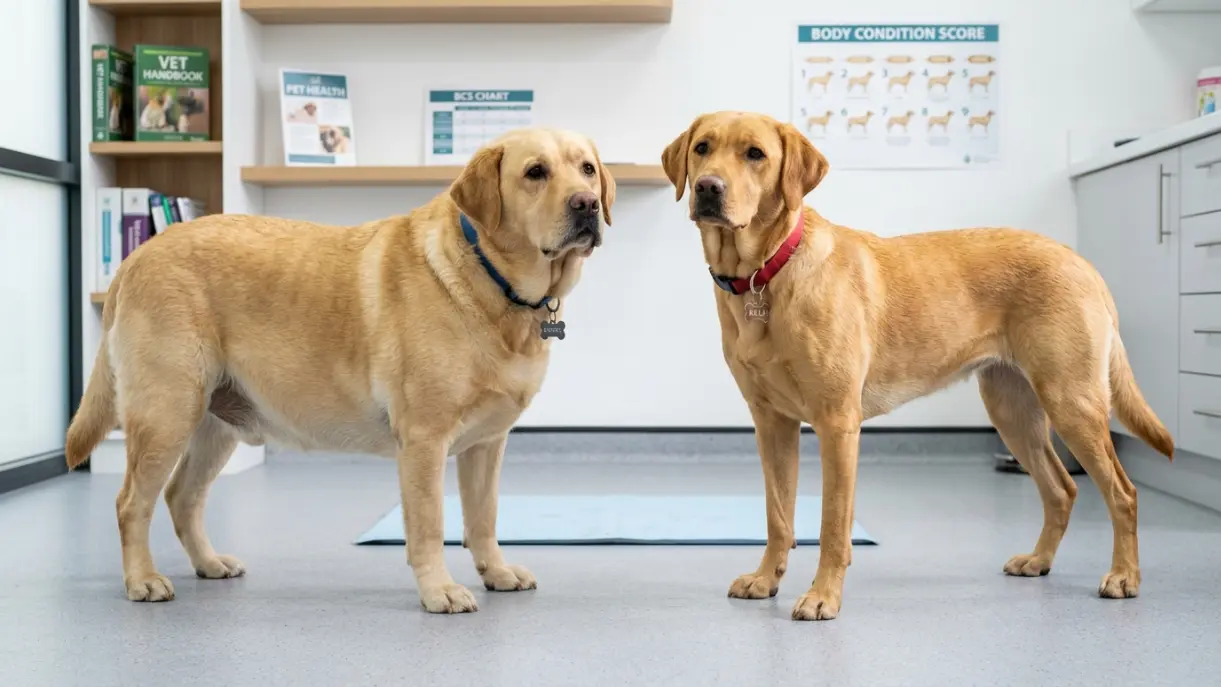
Track your pet's shape with a Body Condition Score (BCS) check. Run your hands over their ribcage. You should feel the ribs without too much effort, but they shouldn't stick out.
Look at your dog from above to see if you can spot a waistline behind the ribs. When viewed from the side, their belly should curve up towards their back legs. Regular practice helps catch small changes in fat coverage. Not sure where your dog falls? Our guide to overweight dogs walks through the full check.
Recognizing Signs of Overfeeding or Underfeeding
Changes in your dog's appearance or behavior can mean it's time to adjust their food. An overfed dog might lose their waistline or have too much fat on their spine. An underfed dog might show their ribs or seem tired during walks.
If your dog seems always hungry or tired, it's time to look at their food. Using these canine diet tips helps match their food to their activity level. Make small changes to their food slowly to avoid sudden changes.
| Condition | Rib Feel | Waistline | Action Required |
|---|---|---|---|
| Underweight | Highly visible | Severe tuck | Increase portions |
| Ideal Weight | Easily felt | Visible curve | Maintain current |
| Overweight | Hard to feel | None visible | Reduce portions |
When to Consult Your Veterinarian
Weight issues can sometimes be due to health problems, not just food. See your vet if your dog's weight changes suddenly. They can check for health issues and suggest a prescription diet if needed.
Always talk to your vet before changing a senior dog's diet or if they have ongoing health issues. Your vet knows best for your dog's long-term health. Taking these proactive steps keeps your dog happy and healthy for years.
Conclusion
Managing your pet's nutrition is a big job. It needs careful attention and watching closely. You can make your dog's life better by matching their food to their needs.
Keeping things consistent is key to a healthy weight. Even small changes in food amounts can make a big difference. This can boost your dog's energy and health.
Brands like Purina Pro Plan and Royal Canin have special foods. These can make it easier to meet your dog's nutritional needs. Watch how your dog reacts to these foods over time.
Going to the vet regularly is important. They can help you understand how your dog is doing. They can also tell you if your dog's needs are changing.
Your hard work will make your dog's life better. Share what you learn with other pet owners. This can help everyone keep their dogs healthy. Start tracking your dog's progress today for a brighter future together.
FAQ
How much food should I feed my dog to ensure they stay at a healthy weight?
The right amount depends on your dog's age, how fast they burn calories, and how active they are. Start with the feeding guide for dogs on your pet food packaging, like Blue Buffalo or Royal Canin. These recommended dog food portions are a good starting point. But, you need to watch your dog's body condition and adjust the food if they gain or lose too much weight.
How many times should a dog eat a day for optimal digestion?
Most vets say adult dogs should eat twice a day. This is usually in the morning and evening. A consistent dog feeding schedule helps keep their blood sugar stable and prevents stomach problems. But, big breeds might need smaller meals more often, and puppies need three to four meals a day.
Exactly how much puppy food to feed a growing dog?
Puppies need lots of energy for growing bones and muscles. Check a feeding chart for dogs based on their expected adult weight. Brands like Purina Pro Plan Puppy offer pet nutrition guidelines to help you give the right amount of calories for growth without overfeeding, which can harm big breeds.
What human food can dogs have as a healthy snack?
Dogs can have some human foods in small amounts, like plain cooked chicken, carrots, green beans, and blueberries. Remember, treats should never be more than 10% of their daily calories. This ensures they get a balanced diet from their main food.
How do I go about calculating dog food serving size for a very active pet?
To find the exact amount, calculate your dog’s Resting Energy Requirement (RER) using their weight in kilograms. For very active dogs, like those in agility or hunting, multiply the RER by a higher activity factor. This way, you can give them the right calories for their lifestyle.
Are there specific pet nutrition guidelines I should follow for a senior dog?
Yes, senior dogs need less food and might need a special senior formula, like Hill's Science Diet Adult 7+. These diets have fewer calories but more fiber and joint support to help keep your older dog healthy and lean.
What are the signs that I need to adjust my dog's daily intake?
Check your dog's body condition by feeling their ribs and looking at their waistline. If you can't feel the ribs under fat, or if the waistline doesn't have a "tuck," you're overfeeding. If the ribs or hip bones are too visible, you might need to feed more. Always check with your vet if you're unsure.
Topics
Our goal is to give you the most helpful, research-backed information possible. This content is for educational purposes only. For health concerns specific to your dog, always consult your veterinarian.
DogMealGuide Editorial Team
DogMealGuide Editorial Team provides research-backed, practical advice to help dog owners make better nutrition decisions for their pets.
This article is for educational purposes only and is not a substitute for professional veterinary advice.
Best Dog Health Guides
Our top expert-reviewed picks in this category