Healthy Dog Food Recipes: 7 Vet Approved Meal Ideas
DogMealGuide Editorial Team
DogMealGuide Editorial Team provides research-backed, practical advice to help dog owners make better nutrition decisions for their pets.
Healthy Dog Food Recipes: What to Cook for Your Dog Safely at Home
Many pet owners are now cooking meals for their pets at home. This trend lets you control what your pet eats. But, it's crucial to keep their meals safe and balanced for their health.
Looking for vet approved homemade dog food recipes is a good start. It can be tough to understand what your dog needs. But, using top-quality ingredients helps you make healthy dog food recipes that meet their needs.
Searching for the best home cooked dog food recipes helps you avoid mistakes. Whether you're looking for vet approved dog food recipes or simple ones, the aim is the same. You want to feed your pet in a way that keeps them lively and healthy.
Key Takeaways
- Prioritize nutritional balance to ensure your pet stays healthy.
- Always consult with a professional before changing your pet's diet.
- Focus on high-quality, whole ingredients for every meal.
- Avoid common human foods that are toxic to canines.
- Consistency is key when transitioning to a new feeding plan.
Understanding Canine Nutritional Requirements
Feeding your dog at home is a rewarding journey. It starts with knowing their specific dietary needs. To keep your companion thriving, focus on the scientific balance of their daily intake. A diet lacking essential nutrients can cause long-term health problems.
The Balance of Proteins, Fats, and Carbohydrates
Every meal should have the right mix of macronutrients. Proteins help build and repair muscles. Fats give your dog the energy they need for daily activities. Carbohydrates, from grains or veggies, provide fuel and fiber for digestion.
Finding the right balance is crucial to avoid obesity or nutritional deficiencies. Aim for a diet rich in animal-based proteins. Keep fat and carbohydrate levels right for your dog's age, breed, and activity level. Always check with a professional to find out your pet's exact caloric needs.
Essential Vitamins and Minerals for Dogs
Beyond macronutrients, your dog needs a specific set of vitamins and minerals. These support immune function and bone density. Calcium, phosphorus, and zinc are just a few critical minerals needed in the right amounts. Without them, even a protein-rich meal won't support your dog's long-term health.
Many home-cooked diets lack these micronutrients. You might need to add specific supplements or nutrient-dense foods. Careful planning ensures your dog gets all the nutrients needed for a healthy coat, strong teeth, and a robust immune system.
Foods to Avoid at All Costs
While many human foods are safe for dogs, some are toxic. Introducing these items can lead to severe illness or even death. You must be careful about the ingredients you use in your kitchen.
Keep the following items away from your dog's bowl at all times:
- Chocolate and Caffeine: These can cause dangerous heart rate increases.
- Grapes and Raisins: Even small amounts can lead to sudden kidney failure in some dogs.
- Onions, Garlic, and Chives: These can damage your dog's red blood cells and cause anemia.
- Xylitol: This common artificial sweetener is found in many sugar-free products and is extremely toxic to dogs.
- Macadamia Nuts: These can cause weakness, tremors, and overheating in your pet.
Vet Approved Homemade Dog Food Recipes
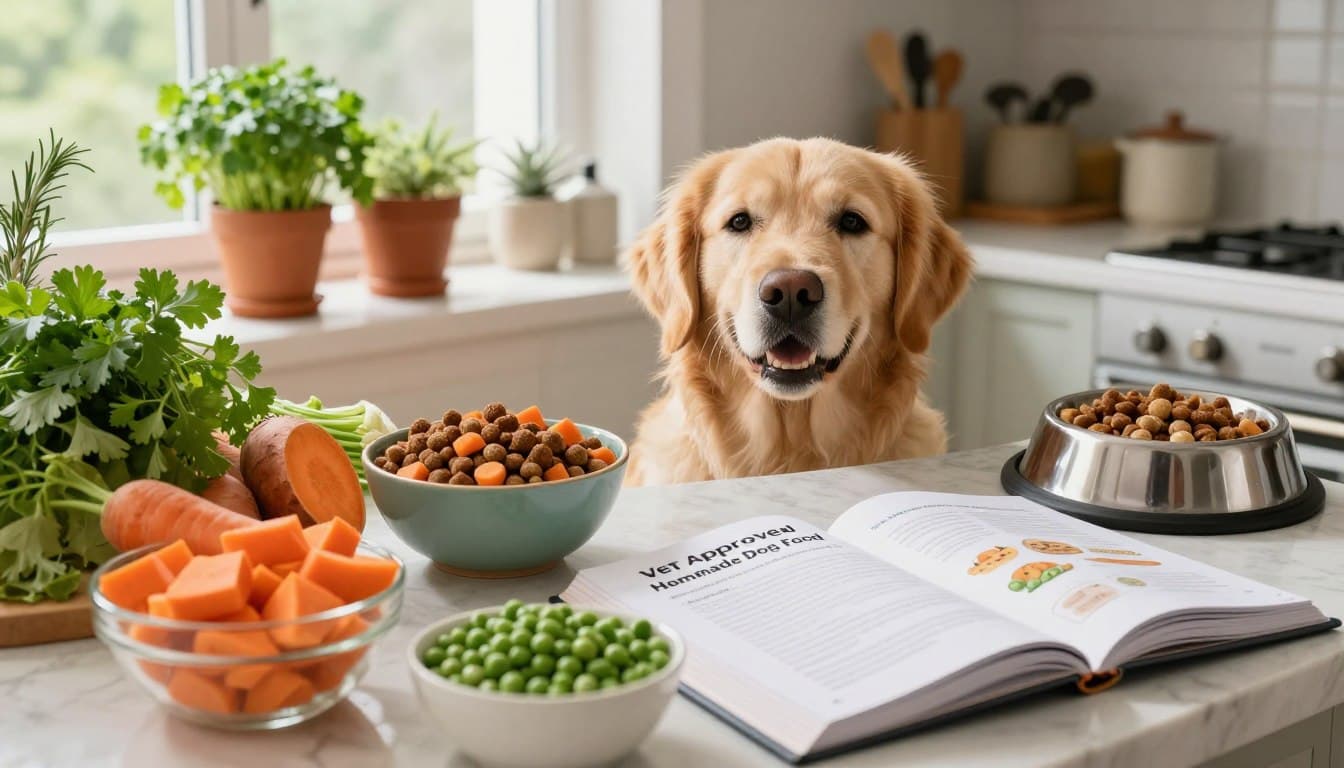
Want to improve your pet's health? Start with these vet approved homemade dog food recipes. Cooking meals at home lets you pick the best ingredients. You avoid fillers and preservatives. These healthy dog food recipes ensure your dog gets the nutrients they need.
Lean Turkey and Vegetable Medley
Ingredients and Preparation
This meal is great for dogs needing lean protein. You'll need one pound of ground turkey, one cup of chopped carrots, one cup of green beans, and half a cup of cooked quinoa. Brown the turkey, then steam the veggies until tender. Mix everything together and let it cool before serving.
Beef and Sweet Potato Power Bowl
Ingredients and Preparation
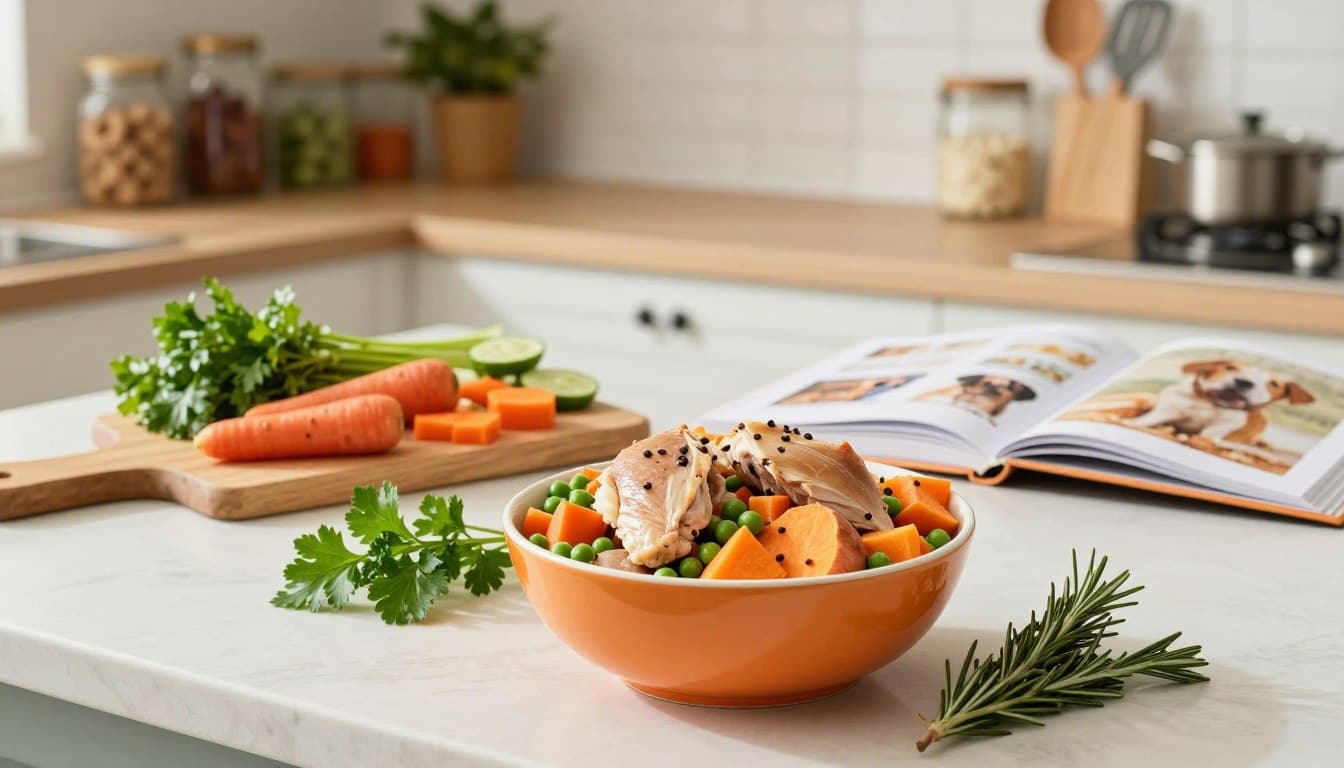
Beef is full of iron and amino acids, making it perfect for active dogs. Mix one pound of lean ground beef with one large sweet potato and half a cup of peas. Boil the sweet potatoes, mash them, then add the browned beef and peas. This bowl is a hit with pet owners looking for vet approved dog food recipes.
Chicken and Brown Rice Canine Feast
Ingredients and Preparation
This meal is easy on the stomach and easy to digest. You'll need two cups of shredded cooked chicken breast, one cup of cooked brown rice, and half a cup of diced zucchini. Sauté the zucchini, then mix it with the chicken and rice. These dog food recipes are easy to make and keep your dog healthy.
Remember, consistency is crucial when switching to these best home cooked dog food recipes. By using these vet approved dog food recipes, you give your pet the care they deserve. These healthy dog food recipes are a solid base for your dog's daily nutrition.
Essential Safety Guidelines for Home Cooking
Making the best home cooked dog food recipes is rewarding but requires strict safety. Preparing meals at home means you're in charge of every ingredient's quality. This ensures your pet gets healthy food without contamination or spoilage risks.
Sourcing High-Quality Ingredients
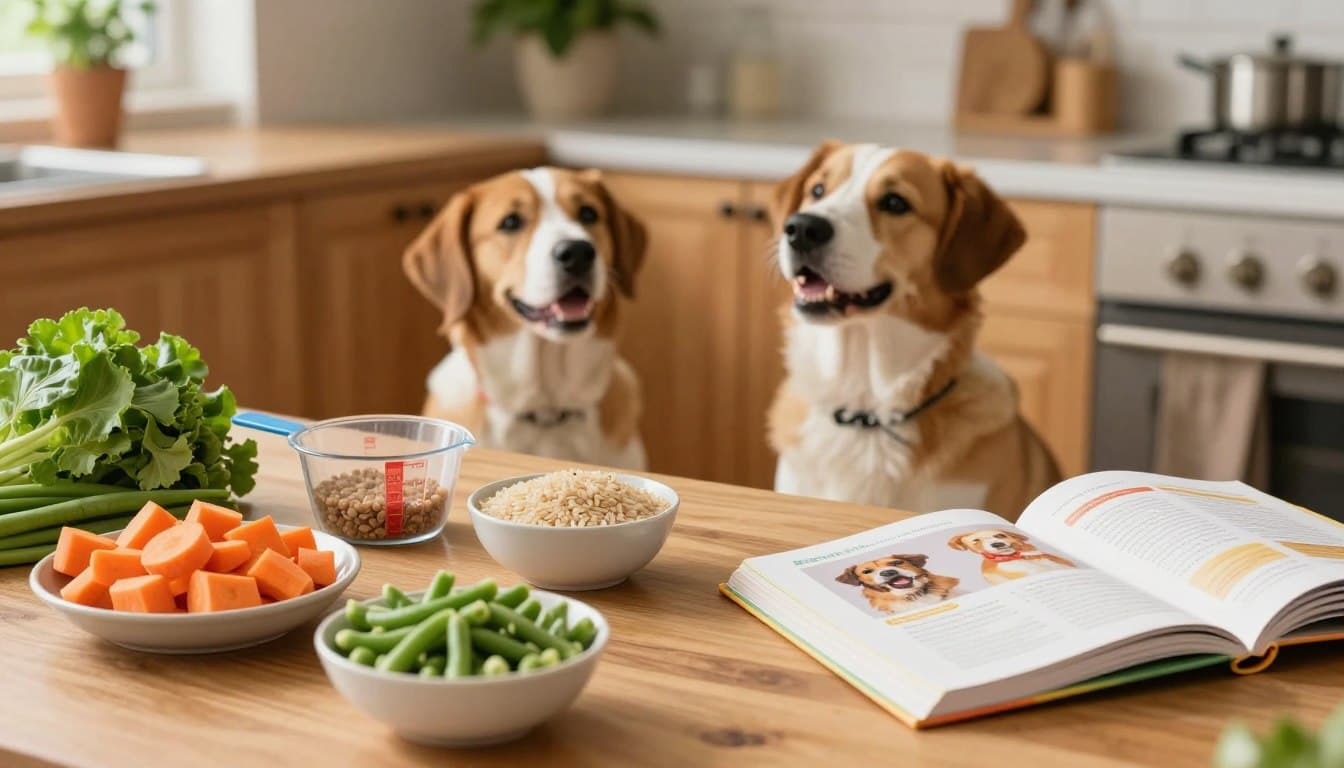
Choosing the right ingredients is key to a healthy diet. Opt for fresh, human-grade proteins and produce to avoid harmful bacteria. Stay away from processed meats with high sodium, preservatives, or artificial flavors.
Wash vegetables well to remove pesticides. Opting for organic can reduce chemical exposure. The quality of your ingredients greatly affects your dog's meal's health benefits.
Proper Storage and Shelf Life
After cooking, storing food properly is crucial. Use airtight, glass or BPA-free containers to keep food fresh. Keep cooked meals refrigerated for up to three days for safety.
Freezing is great for longer storage. Freeze food in individual portions. This way, you can thaw only what you need, keeping the rest frozen and safe.
Consulting Your Veterinarian Before Starting
Talk to your vet before starting a new diet. Every dog's nutritional needs vary based on age, weight, and health history. A vet can ensure your meals are balanced and safe.
Working with your vet means you're giving vet approved dog food recipes. They can also recommend supplements if needed. This teamwork ensures your dog's nutritional needs are met.
| Safety Category | Recommended Action | Frequency |
|---|---|---|
| Ingredient Selection | Use fresh, human-grade items | Every shopping trip |
| Meal Storage | Use airtight containers | Immediately after cooking |
| Vet Consultation | Review vet approved dog food recipes | Before starting new diet |
Step-by-Step Preparation Process
Making healthy dog food recipes at home is rewarding. It's important to have a clear plan. This ensures every meal is safe and full of nutrients for your pet.
By following a routine, you keep meals consistent and high-quality. This approach also helps maintain cleanliness and choose the best ingredients.
Preparing and Cooking Proteins Safely
The protein is the base of any meal. It must be handled carefully to avoid harmful bacteria. Always thaw frozen meats in the fridge, not on the counter.
Cooking proteins thoroughly is key to keeping your dog safe. Use a meat thermometer to check if the meat is cooked enough. For poultry, it should be 165°F, and for ground meats, 160°F.
Don't add harmful seasonings like onions, garlic, or too much salt. After cooking, drain any excess fat to keep the meal healthy.
Chopping and Steaming Vegetables for Digestibility
Dogs can't digest raw plant cell walls well. Chop vegetables into small pieces to help your pet absorb more vitamins. Steaming is best because it softens fibers and keeps nutrients.
- Carrots: Slice into thin rounds or dice finely.
- Green Beans: Trim the ends and cut into small segments.
- Spinach: Steam briefly until wilted to improve texture.
- Sweet Potatoes: Peel and cube into uniform sizes for even cooking.
Mixing and Portioning Meals Correctly
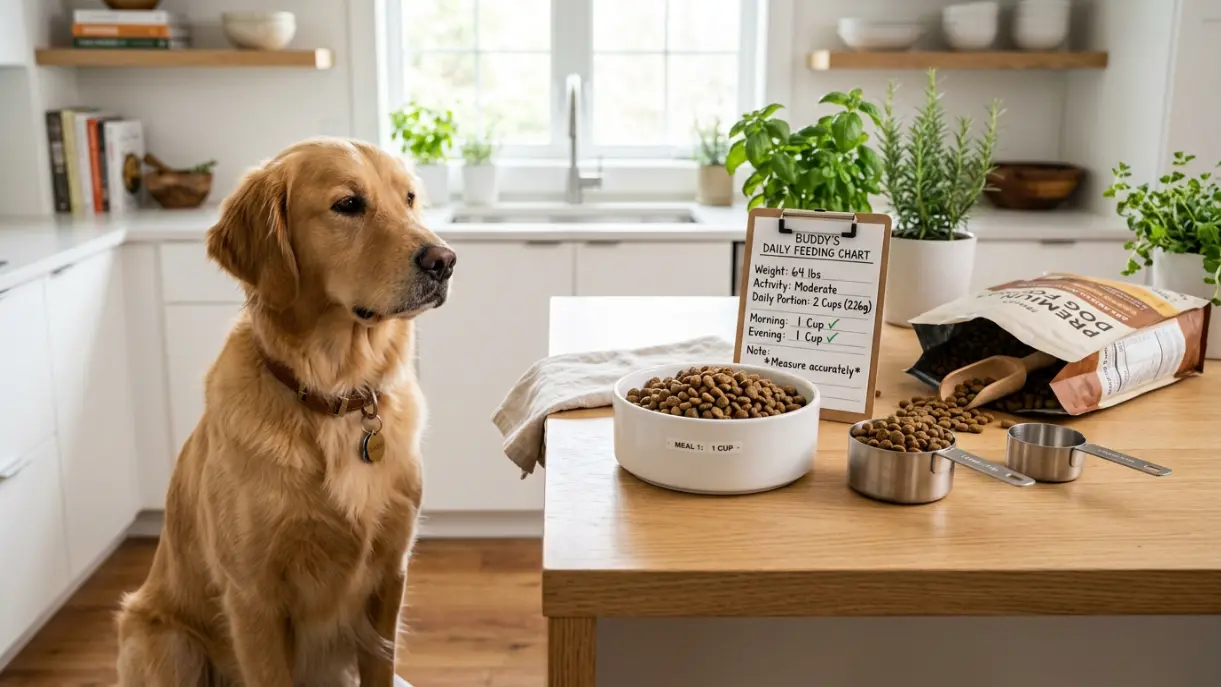
After preparing proteins and vegetables, mix them into balanced dog food recipes. Use a kitchen scale to measure ingredients accurately. This helps manage your dog's calories.
Divide the food into individual servings. Store them in the fridge for up to three days or freeze for longer. Always label your containers with the date to serve fresh meals.
Transitioning Your Dog to a New Diet
Changing your dog's diet needs patience and precision. Quick diet changes can upset their stomach. A careful plan helps your dog smoothly switch to homemade meals.
The Importance of a Gradual Switch
Slowly introducing new food is best. Aim for a seven to ten day transition. This lets their digestive system adjust to new ingredients.
Start by mixing a bit of new food with their old diet. Gradually add more new food and less old food. This helps avoid stomach problems or food refusal.
| Days | Old Food Ratio | New Food Ratio |
|---|---|---|
| 1-3 | 75% | 25% |
| 4-6 | 50% | 50% |
| 7-9 | 25% | 75% |
| 10+ | 0% | 100% |
Monitoring Your Dog for Digestive Upset
Watch your dog closely as you introduce new foods. Look for signs of digestive sensitivity like loose stools or vomiting. These signs mean the transition is too fast.
If your dog shows discomfort, slow down the transition. Go back to the previous ratio for a few days. Consistency is key for your dog's happiness and health.
Adjusting Recipes Based on Weight and Activity
Dogs have different calorie needs based on their age, breed, and activity level. A working dog needs more food than a senior pet. Regularly check your dog's body condition score to keep them at a healthy weight.
If your dog gains too much weight, reduce their portion size or use more vegetables. If they seem tired or lose weight, add more protein or healthy fats. Always consult with your veterinarian to make sure your changes are right for your dog.
Conclusion
Cooking for your dog at home strengthens your bond and ensures they eat well. You can boost their health by choosing fresh foods. This effort shows in their energy and shiny coat.
Success in cooking for your dog means keeping things balanced and safe. Always check your recipes with a vet to fit your dog's needs. Keeping food fresh and safe is key to avoiding bad foods.
Being consistent is crucial in a homemade diet. Adjusting food amounts helps keep your dog at a healthy weight. Watch how they react to new foods to keep them comfortable. These habits help your dog live a long, happy life.
Share your cooking stories with other pet owners. Your efforts to improve your dog's health can inspire others. Start making healthy meals for your dog today and see them flourish.
Related Guides
FAQ
Why should you consider preparing healthy dog food recipes at home?
Making healthy dog food recipes at home lets you control what your pet eats. You can avoid artificial preservatives and fillers in commercial kibble. This way, your dog gets fresh, whole-food nutrition that meets their dietary needs.
How can you be sure you are following the best home cooked dog food recipes for nutritional balance?
The best home cooked dog food recipes balance proteins, fats, and carbs well. It's crucial to follow recipes that include all essential vitamins and minerals. Experts like those at Balance IT can help ensure your dog gets everything they need.
Why is it critical to use vet approved dog food recipes?
Using vet approved dog food recipes makes sure your dog's diet is safe and balanced. Veterinarians can check if your recipes meet AAFCO standards. This ensures your dog gets a complete and balanced diet.
Which common household ingredients are toxic and must be avoided in your dog food recipes?
Avoid onions, garlic, chives, grapes, raisins, macadamia nuts, and chocolate in your dog food recipes. Also, make sure there's no Xylitol, a sugar substitute in some peanut butters. It's toxic to dogs and can cause liver failure.
What is the safest way to transition your pet to healthy dog food recipes?
Don't switch your dog's diet suddenly. Start by mixing 25% new healthy dog food recipes with 75% old food. Gradually increase the new food over 7 to 10 days to avoid stomach upset.
How should you store the best home cooked dog food recipes to maintain freshness?
Store best home cooked dog food recipes in airtight containers like Pyrex or Rubbermaid. They stay fresh in the fridge for up to four days. You can also freeze them for up to three months for convenience.
Can you adjust healthy dog food recipes based on your dog's activity level?
Yes, adjust healthy dog food recipes based on your dog's energy needs. Active dogs need more fats and carbs, while older dogs need leaner proteins. Always check with your vet to find the right caloric intake for your dog.
Topics
Our goal is to give you the most helpful, research-backed information possible. This content is for educational purposes only. For health concerns specific to your dog, always consult your veterinarian.
DogMealGuide Editorial Team
DogMealGuide Editorial Team provides research-backed, practical advice to help dog owners make better nutrition decisions for their pets.
This article is for educational purposes only and is not a substitute for professional veterinary advice.
Best Feeding Basics Guides
Our top expert-reviewed picks in this category